Crowns of the Pearl: Uganda’s Living Kingdoms and Their Legacy
Uganda’s traditional kingdoms play a vital role in shaping the country’s cultural heritage, political history, and social identity. The Ugandan Constitution recognizes five traditional cultural institutions: Buganda, Bunyoro-Kitara, Tooro, Busoga, and Rwenzururu. These kingdoms work alongside the central government to preserve cultural traditions, protect heritage, promote community development, and address land-related concerns. Although they no longer exercise sovereign political authority, they continue to influence Uganda’s social and cultural landscape.
Buganda Kingdom
Buganda stands as Uganda’s largest and most influential traditional kingdom, with a history spanning several centuries. According to tradition, Kabaka Kato Kintu established the kingdom around the 14th century. Under successive kings, Buganda expanded from a small political center into a powerful kingdom that dominated much of the Lake Victoria region.
Buganda played a significant role in shaping Uganda’s colonial history and continues to influence the country’s modern politics, cultural identity, and social institutions. The kingdom also preserves its heritage through royal ceremonies, traditional leadership, historical landmarks, and cultural sites.
Visitors can explore Buganda’s royal heritage at sites such as the Kabaka’s Palace at Mengo and the Kasubi Royal Tombs. Depending on the site, visitor category, and tour package, foreign visitors may pay different entrance fees. Travelers should confirm current admission charges with the relevant site before visiting.
Bunyoro-Kitara Kingdom
The Bunyoro-Kitara Kingdom traces its history to the political changes that followed the decline of the Kitara Empire. Tradition identifies Rukidi-Mpuga as the first king of the Babiito dynasty, which succeeded the Bachwezi tradition of leadership.
Historical accounts associate Rukidi-Mpuga’s name with his birthplace and ancestry. According to one account, people called him “Rukidi” because he was born in Bukidi, a region associated with the Luo and Madi peoples of northern Uganda. The name “Mpuga” reportedly refers to a cow with white spots and reflects stories about his mixed ancestry.
Bunyoro-Kitara preserves a rich cultural heritage through its royal traditions, clan systems, oral histories, and customary practices. Tradition identifies the Songa, Gahi, Ranzi, Yaga, Rungu, Gabu, and Yanga clans among the kingdom’s oldest clans.
Today, the kingdom continues to promote the history, customs, and identity of the Banyoro people while supporting cultural preservation and community development.
Tooro Kingdom
The Tooro Kingdom occupies a prominent place in western Uganda’s cultural history, with Fort Portal serving as its principal urban center. Prince Kaboyo Olimi I, the eldest son of the Omukama of Bunyoro-Kitara, established an independent Tooro Kingdom around 1830 after breaking away from Bunyoro.
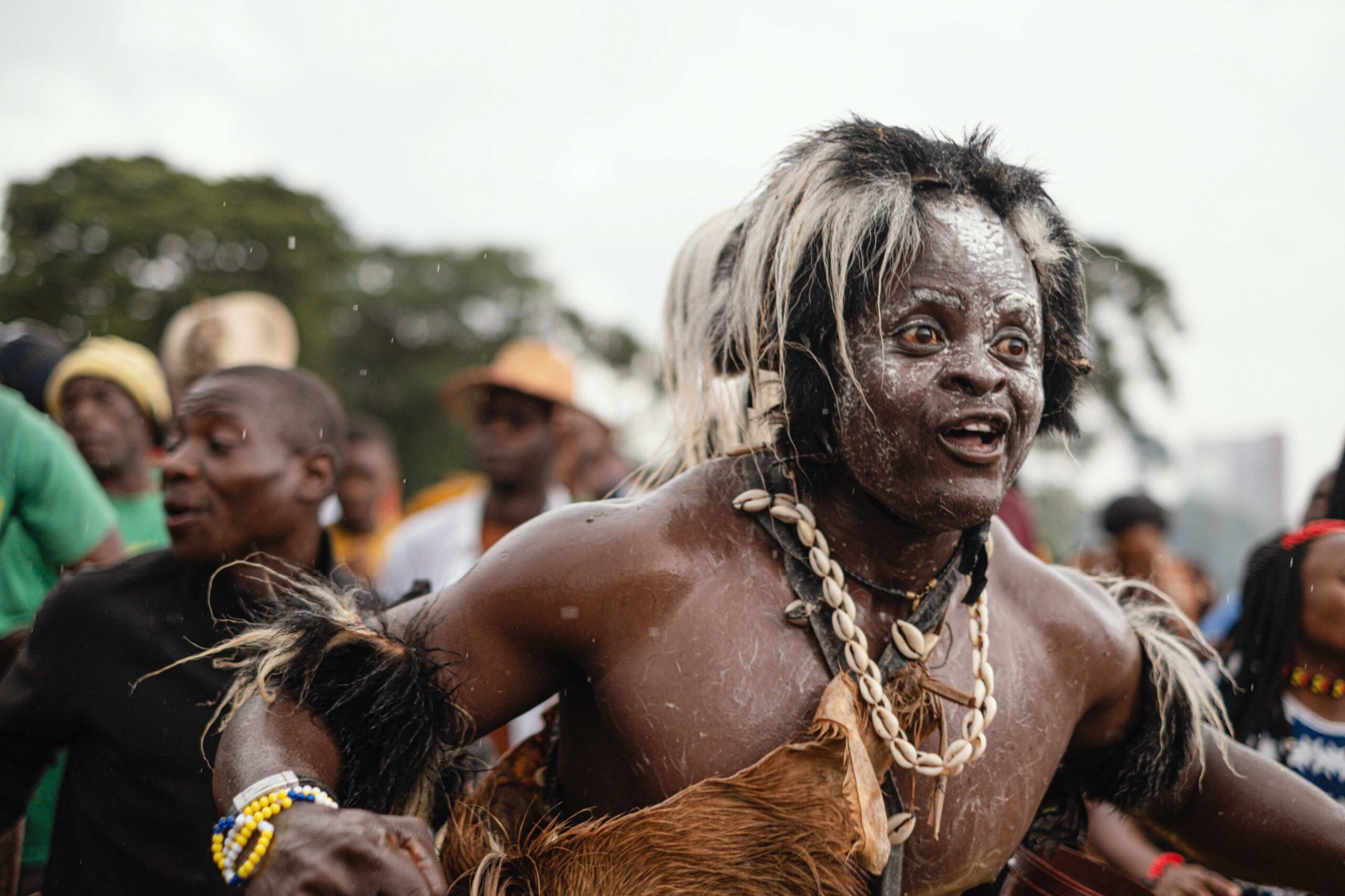
The Batooro people maintain their cultural traditions and speak Rutooro, a Bantu language. Their heritage includes royal ceremonies, traditional customs, music, dance, and distinctive cultural practices.
King Oyo Nyimba Kabamba Iguru Rukidi IV, who reigned over the Tooro Kingdom from 1995 until his death on August 27, 2026, ascended the throne at just three years old and gained international recognition as the world’s youngest reigning monarch. He was succeeded by King Edward Rukidi Nyabongo I, who was crowned on September 29, 2026.
Uganda abolished its traditional kingdoms in 1967, but the government restored them as cultural institutions in 1993. Since then, Tooro has continued to preserve its royal heritage and promote cultural tourism.
Visitors can explore the kingdom’s history through royal landmarks, cultural events, and guided visits where available. Tour prices vary according to the location and package, so visitors should confirm current fees before planning their trips.
Busoga Kingdom
The Busoga Kingdom lies in eastern Uganda and represents the cultural identity of the Basoga people. The kingdom traditionally brings together 11 chiefdom under the leadership of the Isebantu Kyabazinga, who serves as the cultural head of Busoga. The kingdom’s headquarters are located in Bugembe, near Jinja.
Busoga stretches across a region bordered by the Victoria Nile to the west, Lake Kyoga to the north, the Mpologoma River to the east, and Lake Victoria to the south. Its territory includes districts such as Jinja, Iganga, Kamuli, and Mayuge.
The Basoga people speak Lusoga, a Bantu language that plays an important role in preserving their identity and oral traditions. Communities across Busoga maintain their heritage through traditional ceremonies, music, dance, storytelling, and customary leadership.
The region also contributes significantly to Uganda’s agricultural and industrial development. Jinja, one of its major urban centers, attracts visitors with its industrial heritage and its association with the source of the Nile. Through cultural initiatives and tourism, the Busoga Kingdom continues to celebrate its traditions while encouraging regional development.
Rwenzururu Kingdom
The Rwenzururu Kingdom, known locally as Obusinga Bwa Rwenzururu, represents the cultural identity of the Bakonzo and Bamba peoples in western Uganda. The kingdom centers on Kasese, near the Rwenzori Mountains, and emerged from a political and cultural movement that developed during the 1960s.
The movement sought greater recognition and self-governance for communities in the Rwenzori region. King Charles Wesley Mumbere later became the kingdom’s monarch and remains its central historical figure.
The Rwenzururu Kingdom preserves the traditions, languages, music, dance, and cultural practices of the Bakonzo and Bamba communities. Its heritage also reflects the region’s distinctive mountain environment and the historical experiences of its people.
Visitors can learn about the kingdom’s cultural history through community-based cultural activities and regional heritage sites. Travelers who visit Rwenzori Mountains National Park must pay the applicable Uganda Wildlife Authority entrance and activity fees. Visitors should confirm access arrangements and any applicable charges before visiting royal or administrative premises.
Uganda’s Living Kingdoms and Their Legacy
Uganda’s traditional kingdoms remain important pillars of the country’s cultural identity and historical heritage. Buganda, Bunyoro-Kitara, Tooro, Busoga, and Rwenzururu each preserve distinctive traditions, leadership systems, languages, and community values.
Although Uganda transformed these kingdoms from political authorities into cultural institutions following the abolition of monarchies in 1967 and their restoration in 1993, their influence continues today. They help preserve historical knowledge, strengthen community ties, promote cultural tourism, and sustain customary practices.
These living kingdoms connect Uganda’s past with its present. By celebrating their heritage and supporting their cultural institutions, Ugandans and visitors alike can gain a deeper understanding of the Pearl of Africa and the traditions that continue to shape its national identity.