
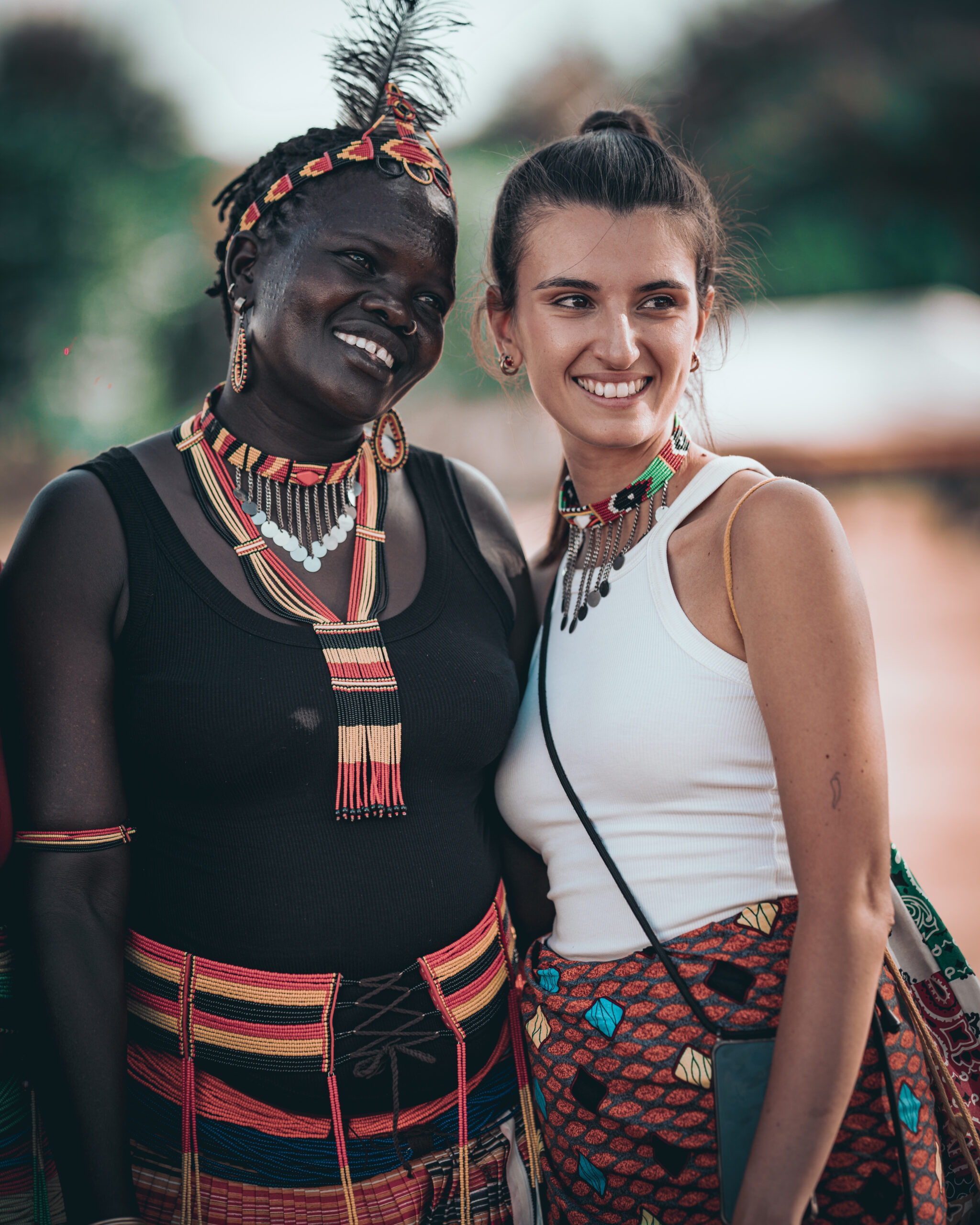
The Karamojong of Uganda: Cattle, Culture and Traditional Ways of Life
The Karamojong are a Nilotic ethnic group of pastoralists who live in Uganda’s semi-arid Karamoja region in the northeast. They maintain a strong cultural connection to cattle and build traditional homesteads known as manyattas.
The name “Karamojong” reportedly comes from a phrase that roughly translates to “the old men can walk no farther.” According to a traditional account, the name recalls a time during the ancestral migration when a group decided to settle permanently on the Karamoja plains rather than continue traveling west.
Karamojong Culture and Lifestyle
Cattle occupy a central place in Karamojong society. They represent wealth, social status, and family security while strengthening relationships between families and communities.
Historically, the Karamojong have practiced semi-nomadic pastoralism and moved their herds across districts such as Moroto, Kotido, and Kaabong in search of seasonal water and fresh grazing land. Their customs, family relationships, and ceremonies reflect the importance of livestock in everyday life.
Traditional Karamojong Homesteads (Manyattas)
The Karamojong build traditional grass-thatched houses within circular homesteads known as manyattas. They often surround these settlements with thorny wooden fences to protect people and livestock from wild animals and other threats. Families arrange their homes and livestock enclosures to support their communal way of life.
Karamojong Cattle
Karamojong pastoralists keep indigenous Zebu cattle, one of Uganda’s important traditional cattle types alongside the Ankole or Sanga cattle of southwestern Uganda.
Zebu cattle have physical traits that help them tolerate the hot, semi-arid climate of Karamoja. They can cope with sparse grazing and limited water better than many cattle breeds that require more intensive care. Families rely on them for milk, meat, and hides.
Beyond these practical benefits, cattle hold deep cultural and economic value. Families use them to demonstrate wealth and social standing, pay bride wealth, settle disputes, compensate other families, conduct ceremonies, and pass wealth from one generation to the next.
Traditional Karamojong Livestock Rituals
The Karamojong practice traditional livestock rituals that reflect the spiritual, social, and cultural importance of cattle. Depending on the occasion and community, these ceremonies may involve prayers, blessings, thanksgiving, or requests for protection for people and animals.
Blessing of Cattle
Karamojong elders pray for their herds and ask Akuj, whom they recognize as God, to grant their animals good health, fertility, abundant milk, and protection from disease and raids. During some ceremonies, participants may sprinkle milk or water over the animals while speaking words of blessing.
Sacrificial Ceremonies
During important occasions, such as prolonged droughts, disease outbreaks, or community celebrations, families and community members may sacrifice a bull, cow, sheep, or goat. They offer these sacrifices to express gratitude, seek divine favor, or mark significant events in community life.
Naming Cattle
Karamojong herders often give valuable oxen and bulls names inspired by their coat color, horn shape, behavior, or memorable events. Some men develop especially strong bonds with their favorite oxen and celebrate them through songs and praise poetry.
Bride Wealth Rituals
Cattle play an important role in Karamojong marriage customs. The groom’s family transfers cattle to the bride’s family as part of the bride wealth arrangement. Families accompany this exchange with traditional blessings and ceremonies that recognize the union and strengthen relationships between the two families.
Through cattle keeping, traditional homesteads, and livestock ceremonies, the Karamojong continue to express a cultural heritage closely connected to pastoral life in northeastern Uganda.