Gorilla Trekking in Uganda: Everything You Need to Know Before You Go
Gorilla trekking in Uganda offers one of Africa’s most unforgettable wildlife experiences. However, before you embark on this adventure, you need to understand the permits, trekking conditions, costs, preparation requirements, and conservation practices that shape the experience.
You hear the gorillas before you see them. A branch snaps somewhere uphill. Leaves rustle in the undergrowth. The trackers exchange a quick glance and point towards a narrow path that disappears into thick vegetation.
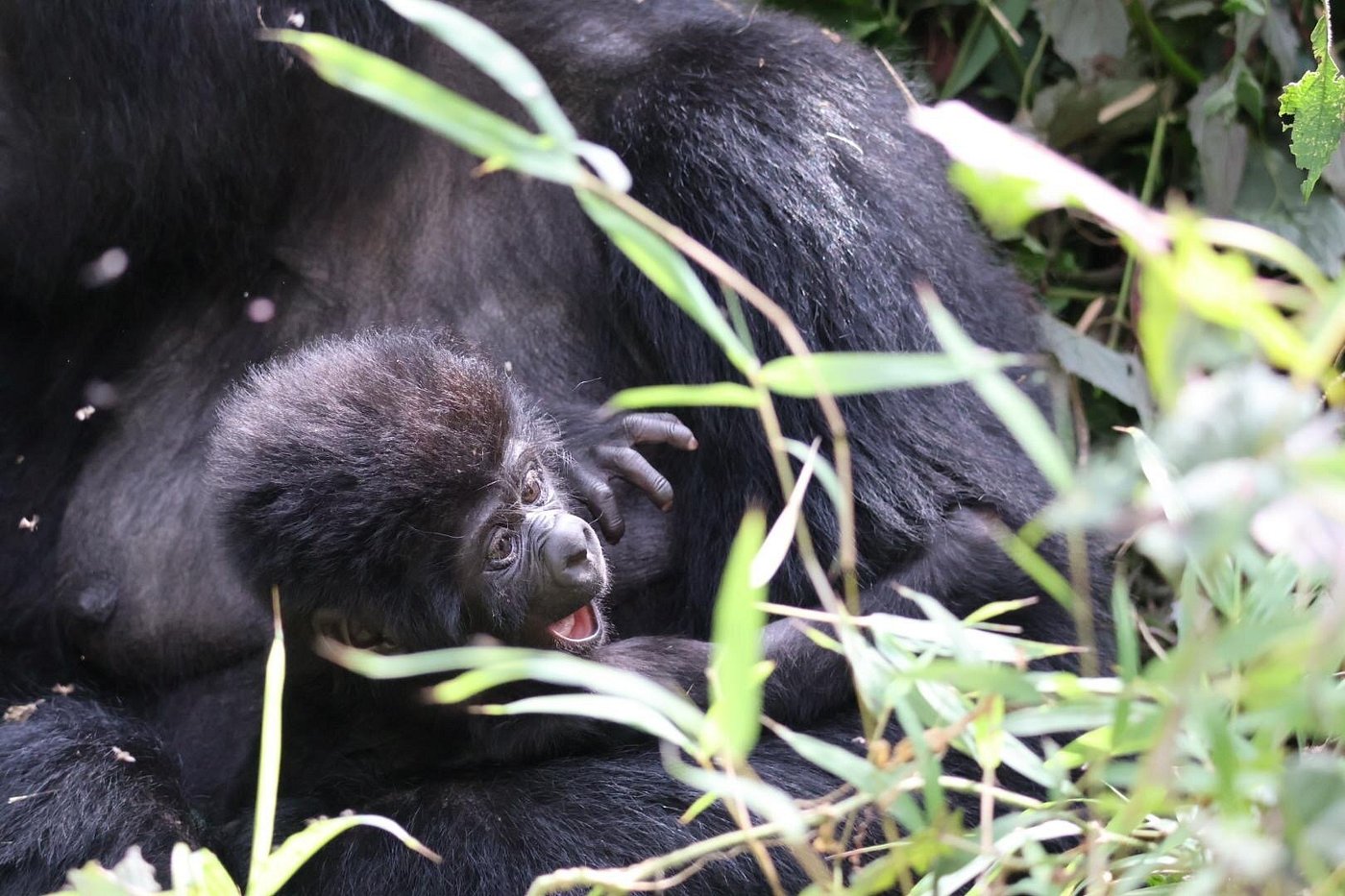
Ten minutes later, the forest opens into a small clearing. A juvenile gorilla climbs down from a tree branch, seemingly more interested in playing than in the visitors standing quietly a few metres away. Behind it, a silverback sits against a tree trunk, stripping wild celery with slow, deliberate movements.
For the next hour, nobody thinks about permit prices, hiking boots, or the kilometres they walked to reach this point. Everyone simply enjoys the moment.
That is why travelers cross continents to trek mountain gorillas. They seek more than a wildlife sighting; they want an encounter they will remember for the rest of their lives.
Few African experiences leave such a lasting impression. Yet many travelers misunderstand gorilla trekking. Some imagine an extreme expedition that requires weeks of preparation, while others expect a leisurely walk that ends with a guaranteed photograph. The reality lies somewhere between those extremes.
You will hike through one of Africa’s oldest rainforests. You might reach the gorillas in less than an hour, or you might spend several hours navigating steep slopes and dense vegetation. Rangers accompany every group, while trackers locate the gorillas before visitors enter the forest.
Behind the seemingly spontaneous encounter, conservation teams coordinate every detail. Their preparation helps protect the gorillas while giving visitors a remarkable opportunity to observe them in their natural habitat.
Why Uganda Is One of the Best Places in the World to See Mountain Gorillas
Only three countries offer mountain gorilla trekking in the wild: Uganda, Rwanda, and the Democratic Republic of the Congo.
Uganda protects a substantial share of the world’s remaining mountain gorillas, making it one of the most important destinations for their long-term survival.
You can track mountain gorillas in two protected areas in southwestern Uganda: Bwindi Impenetrable National Park and Mgahinga Gorilla National Park.
Bwindi Impenetrable National Park
Bwindi is Uganda’s best-known gorilla trekking destination. This ancient rainforest covers more than 320 square kilometres, holds UNESCO World Heritage status, and supports the country’s largest population of habituated mountain gorillas.
The park offers several trekking sectors, each with its own landscape, accommodation options, and access routes. You can choose from comfortable mid-range lodges to luxury forest retreats, depending on your budget and travel preferences.
Mgahinga Gorilla National Park
A few hours from parts of Bwindi, Mgahinga Gorilla National Park offers a different setting. Although it is Uganda’s smallest national park, it forms part of the larger Virunga Conservation Area, a transboundary ecosystem shared by Uganda, Rwanda, and the Democratic Republic of the Congo.
Three volcanic peaks dominate the skyline, while bamboo forests cover parts of the mountain slopes. Golden monkeys also inhabit the park, allowing you to combine gorilla trekking with golden monkey tracking, volcano hikes, and cultural experiences led by members of the Batwa community.
Choosing between Bwindi and Mgahinga does not mean choosing between better and worse gorilla encounters. Both parks offer remarkable opportunities to see mountain gorillas. Instead, consider the landscape, permit availability, accessibility, accommodation, and activities you want to experience.
Bwindi’s Four Trekking Sectors: Choosing the Right Base
Many first-time visitors do not realize that Bwindi divides its gorilla trekking operations into four sectors: Buhoma, Rushaga, Nkuringo, and Ruhija.
Your permit determines the sector where you will begin your trek, so choose accommodation that matches your assigned sector. Although you can sometimes drive between sectors, steep hills, winding roads, and changing road conditions can turn a seemingly short journey into several hours on the road.
Buhoma
Buhoma lies in the northern part of Bwindi, where Uganda’s gorilla tourism industry began.
The area offers a well-developed selection of lodges, ranging from comfortable mid-range properties to some of Uganda’s finest luxury forest retreats. You can also explore walking trails, including routes towards Munyanga Waterfall, making Buhoma an excellent choice if you plan to spend several nights near the forest.
Additional, Its location can also suit travelers who want to connect with other national parks by road or air.
Rushaga
Rushaga lies in southern Bwindi and offers a high number of habituated gorilla families. This can give travelers more permit options, although availability still depends on demand and the dates they choose.
The surrounding hills create spectacular views, particularly on clear mornings when the Virunga volcanoes appear on the horizon.
Rushaga also hosts Uganda’s Gorilla Habituation Experience. Subject to permit availability and current regulations, this experience allows visitors to spend up to four hours with a gorilla family undergoing habituation, compared with the standard one-hour viewing experience.
Nkuringo
If you love dramatic scenery and sweeping views, Nkuringo deserves serious consideration. The sector sits along the Nteko Ridge, overlooking the Albertine Rift Valley. At sunrise, low clouds often settle between the surrounding hills, creating spectacular scenery.
You can also explore community tourism experiences, Batwa cultural activities, and initiatives supported by local organizations such as Gorilla Junction Foundation. Accommodation in Nkuringo includes premium lodges with impressive views of the surrounding landscape.
Ruhija
Ruhija offers a quieter atmosphere and appeals particularly to birdwatchers and travellers who prefer peaceful forest surroundings.
The surrounding montane forest supports numerous Albertine Rift endemic bird species, making Ruhija an excellent base for combining gorilla trekking with guided forest walks and birdwatching.
Ultimately, the gorilla family’s movements on the day of your trek influence the encounter more than the sector itself. No two treks follow exactly the same route or schedule.
Although some travelers consider booking permits in different sectors to increase their options, you should coordinate any such plans with your tour operator and confirm the applicable permit conditions before paying.
The Gorilla Permit: What You’re Really Paying For
As of 2026, a standard gorilla trekking permit for an international non-resident costs US$800 through the Uganda Wildlife Authority (UWA).
Mountain gorillas remain endangered, and protecting them requires sustained investment. Rangers patrol the forest to deter poaching and other illegal activities. Veterinary teams monitor gorilla health and respond to injuries and illnesses. Trackers locate habituated families before visitors enter the forest, while researchers collect information that helps conservation managers make informed decisions.
The Uganda Wildlife Authority also channels a share of park revenue into neighboring communities through revenue-sharing programmes. These programmes support initiatives such as schools, health centers, water projects, and other local development activities.
This approach creates practical incentives for conservation. When communities benefit from protecting wildlife, they have stronger reasons to preserve forests rather than convert them to farmland.
The permit also limits visitor numbers. Each habituated gorilla family receives one tourist group per day, with a maximum of eight visitors under the standard trekking arrangement. After the allocated one-hour viewing period, visitors leave the gorillas undisturbed.
This controlled approach helps minimize stress and reduce the risk of disease transmission.
Over recent decades, conservation efforts have helped mountain gorilla populations recover, making their story one of the most encouraging examples of great ape conservation.
When travelers ask whether gorilla tourism makes a difference, the answer lies partly in the forest itself. Without sustained conservation funding, protecting mountain gorillas would become much more difficult.
What Gorilla Trekking Day Actually Looks Like
In Buhoma, you might wake to the sounds of black-and-white colobus monkeys moving through the trees above your lodge. In Rushaga or Nkuringo, morning mist often blankets the surrounding hills before the sun gradually reveals the terraced landscape.
The Morning Briefing
Before entering the forest, every group attends a briefing led by a Uganda Wildlife Authority ranger. The ranger explains how to behave around gorillas, why maintaining the recommended distance matters, and what to do if a gorilla approaches unexpectedly.
Young gorillas, especially juveniles, often display natural curiosity. If one approaches you, remain calm, avoid sudden movements, and follow the ranger’s instructions.
The ranger will also remind you not to eat, drink, or smoke near the gorillas. If you feel unwell or experience cold- or flu-like symptoms, inform the ranger before the trek begins.
Mountain gorillas share approximately 98% of their DNA with humans, making them susceptible to several human respiratory infections. Even a common cold can pose a serious health risk to a gorilla family.
Meeting Your Ranger and Trackers
After the briefing, the rangers assign groups to specific gorilla families. An armed ranger accompanies each group. The firearm serves as a precaution against other wildlife, particularly forest elephants and buffalo, rather than as a means of controlling the gorillas.
Your ranger acts as a guide, interpreter, and storyteller throughout the trek. Many rangers have spent years working in Bwindi. They recognize bird calls, identify medicinal plants used by local communities, and explain animal behavior that visitors might otherwise overlook.
Trackers enter the forest hours before visitors arrive. They examine fresh dung, feeding sites, broken branches, and overnight nests to locate the gorillas.
Once they find a family, they use radio communication to guide the rangers towards its location. This remarkable fieldwork helps visitors find the gorillas while allowing conservation teams to monitor their movements and health.
Into the Forest
Guide cannot tell exactly how long the trek will take. The duration depends largely on where the gorillas have moved overnight.
Some families remain close to the park boundary, allowing visitors to reach them within 45 minutes. Others move deeper into the forest in search of fresh vegetation, requiring several hours of hiking.
Bwindi earns its name through its dense vegetation and challenging terrain. You will encounter narrow footpaths, tangled vines, giant tree ferns, thick bamboo stands, and steep slopes. In some areas, rangers use machetes to clear vegetation that has grown across the trail.
You might hear great blue turacos calling from the canopy, woodpeckers drumming against tree trunks, or L’Hoest’s monkeys disappearing through the branches.
The Hour Everyone Remembers
One might notice a hand gripping a vine, a broad black shoulder disappearing behind leaves, or the quiet sound of a gorilla stripping and eating vegetation. Then the forest reveals the family.
The silverback often captures your attention first. He sits calmly, occasionally glancing towards visitors before returning to his meal.
Around him, the rest of the family continues its daily activities. Young gorillas wrestle, mothers groom their infants, and adolescent gorillas climb trees with astonishing confidence.
Nobody has arranged this scene for your benefit. You are simply observing a wild family going about its morning.
For 60 minutes, you can watch, listen, and photograph the gorillas while following your ranger’s instructions.
Some visitors quietly take photographs. Others lower their cameras and simply watch. Many later discover that the photographs matter less than the memory of being present.
You might call that experience optical nutrition: the feeling of feeding your eyes and mind with a sight that stays with you long after you leave the forest.
The Rules That Protect the Experience
Mountain gorillas are wild animals, not zoo residents. Limiting human contact helps reduce stress and the risk of disease transmission.
Visitors must follow the ranger’s instructions, speak softly, avoid sudden movements, and keep their camera flashes switched off.
If a gorilla approaches you, remain calm and follow the ranger’s guidance. Do not rush backwards, crowd the animal, or attempt to touch it.
Young gorillas may approach out of curiosity, but you must allow the animals to determine their movements without encouraging contact.
The Walk Back Feels Different
Most visitors glance back one last time before following the trail towards the starting point.
The return walk often feels lighter. Conversations resume, travelers compare photographs, and someone inevitably laughs about a muddy section where they nearly slipped.
Back at the briefing centre, you receive a trekking certificate to commemorate your participation in this conservation-focused wildlife experience.
Many lodges arrange afternoon visits to coffee farms, craft groups, or Batwa cultural experiences. Others encourage guests to relax with a cup of Ugandan coffee while overlooking the forest and reflecting on the morning.
Long after you clean the mud from your boots and share photographs with friends, one image may remain vivid: a silverback sitting quietly beneath the forest canopy, looking back at you.
How Fit Do You Need to Be?
One of the biggest myths about gorilla trekking is that you need to be an experienced mountaineer. You do not. However, you should have a reasonable level of mobility and feel comfortable walking on uneven ground.
Some treks last less than an hour before visitors reach the gorillas. Others require two to four hours of hiking, or sometimes longer, depending on the gorillas’ movements.
Because trackers locate the families on the day of the trek, no responsible guide can guarantee an easy route.
Bwindi lies between approximately 1,160 and 2,607 meters above sea level. Its landscape includes steep hills, narrow valleys, and trails that follow old community footpaths through farmland before entering the rainforest.
You might walk comfortably beneath towering trees one moment and climb a muddy slope using exposed roots for support the next.
Take your time. You do not need to reach the gorillas before everyone else, and your ranger should manage the group’s pace according to its needs.
Rangers regularly stop to allow visitors to drink water, rest, and learn about the plants, birds, and wildlife signs along the trail.
If you have concerns about your fitness, discuss them with your tour operator before travelling. The Uganda Wildlife Authority may be able to assign you to a gorilla family expected to remain closer to the trailhead, depending on operational circumstances. However, the gorillas’ movements can change the distance at any time
What Should You Pack for Gorilla Trekking?
The forest has its own dress code. You do not need to look like an explorer; you need to stay comfortable, protected, and prepared for changing weather.
One will need hiking boots, trekking gloves ,Thick hiking socks, A small daypack, drinking water, Sunscreen and a hat,among a few others
Consider packing gaiters as well. Although they are not essential, they help keep mud and debris out of your boots, particularly during wetter months and in Bwindi’s southern sectors.
Avoid carrying unnecessary equipment. A lighter backpack makes steep climbs and muddy trails easier to manage.
Can You Take Photographs?
Yes. You can photograph mountain gorillas during your trek, provided you follow the applicable rules. For many visitors, this encounter offers their closest opportunity to observe wild great apes, so naturally they want to preserve the memory.
Most importantly, do not spend the entire hour looking through a screen. Take your photographs, lower your camera, and enjoy the experience.
The memory may last longer than the image.
The Conservation Story Most Visitors Never Hear
When travelers talk about gorilla trekking in Bwindi, they naturally focus on the hour they spend with the gorillas. However, the conservation story begins long before visitors enter the forest.
Every morning, trackers enter the forest to monitor habituated gorilla families. They record movements, observe health conditions, note injuries, and identify newborn infants.
Veterinary specialists from organizations such as Gorilla Doctors respond when gorillas suffer injuries from snares or show signs of illness. Researchers also study gorilla behavior, genetics, and habitat use to help conservation managers make informed decisions
Today, tourism creates employment opportunities for trackers, rangers, porters, housekeepers, drivers, craft cooperatives, coffee farmers, and community guides.
The Uganda Wildlife Authority also directs a share of park revenue towards community development through its revenue-sharing programme, supporting initiatives such as schools, health centres, water projects, and other local services.
Gorilla trekking works best when local communities see tangible benefits from conservation.
Uganda’s mountain gorilla recovery demonstrates how sustained protection, responsible tourism, veterinary care, and community participation can work together to support wildlife conservation
At Chimptrails Africa, we believe gorilla trekking deserves more than a place on an itinerary. It deserves the time, planning, and local knowledge that allow you to experience it fully.
From securing permits and selecting the right trekking sector to designing a journey through Uganda’s forests, savannahs, lakes, and communities, we help you travel at a pace that allows the country to reveal itself naturally.
The hour with the gorillas may inspire you to book the journey. The days surrounding it may become the reason you want to return.