A Journey Through Culture, Heritage and Traditional Lifestyles
Uganda boasts remarkable cultural diversity, rich traditions and unique ways of life. Among its most fascinating cultural treasures are the indigenous and pastoral communities that inhabit Northeastern and Southeastern Uganda. These communities preserve their distinctive cultural identities through traditional practices, languages, livelihoods, beliefs, music, dance and social structures.
Northeastern Uganda, particularly the Karamoja sub-region, and Southeastern Uganda, especially the areas around Mount Elgon and the plains of Teso, Bugisu and neighboring communities, offer visitors opportunities to explore Uganda’s cultural heritage beyond its famous wildlife and natural attractions.
These communities contribute significantly to Uganda’s cultural identity and create opportunities for cultural tourism, community-based tourism and sustainable tourism development.
Indigenous and Pastoral Communities of Northeastern Uganda
Northeastern Uganda mainly comprises the Karamoja sub-region, where semi-arid landscapes, open savannah plains and rugged mountains shape the traditional pastoral lifestyles of local communities.
The Karamojong Community
The Karamojong rank among Uganda’s most recognized pastoral communities. Their traditional livelihoods revolve around livestock keeping, particularly cattle, goats and sheep. Within Karamojong society, cattle represent wealth, social status, cultural identity and family security.
Cultural Practices and Traditions
Cattle keeping: The Karamojong depend on livestock as the foundation of their traditional economy and way of life.
Traditional homesteads: Families construct traditional settlements known as manyattas using locally available materials.
Traditional dressing: Community members wear cultural clothing, beads, ornaments and other decorations to express their identity and social status.
Music and dance: They perform traditional songs and energetic dances during celebrations, ceremonies and community gatherings.
Marriage traditions: Families use livestock during traditional marriage negotiations and bridewealth arrangements.
Traditional beliefs: Elders and cultural leaders preserve customs, resolve disputes and guide community life.
The Tepeth Community
The Tepeth maintain a distinctive indigenous cultural identity closely associated with Mount Moroto and its surrounding areas. Traditionally, their livelihoods revolved around small-scale farming, hunting and gathering, although some households also kept livestock. Their close relationship with the mountain environment, forests and natural resources is reflected in their cultural practices.
The Ik Community
The Ik mainly inhabit the areas around Mount Morungole in Kaabong District. Known for their distinctive language and cultural identity, they preserve a rich body of traditional knowledge. Historically, their livelihoods centered on small-scale agriculture, hunting and gathering. Their cultural heritage is also reflected in unique mountain settlement patterns, traditional food systems and social structures.
Indigenous and Pastoral Communities of Southeastern Uganda
Southeastern Uganda offers another important cultural tourism destination. Communities in this region maintain lifestyles that combine agriculture, livestock keeping, mountain environments and traditional customs.
The region includes parts of Bugisu, Sebei, Teso, Bukedi and the southern borderlands adjoining Karamoja.
The Bagisu (Bamasaba)
The Bagisu mainly inhabit the slopes of Mount Elgon, particularly in Mbale, Manafwa, Bududa and Namisindwa districts.
They preserve a rich cultural heritage, practice traditional agriculture and celebrate the famous Imbalu circumcision ceremony.
Major Cultural Practices
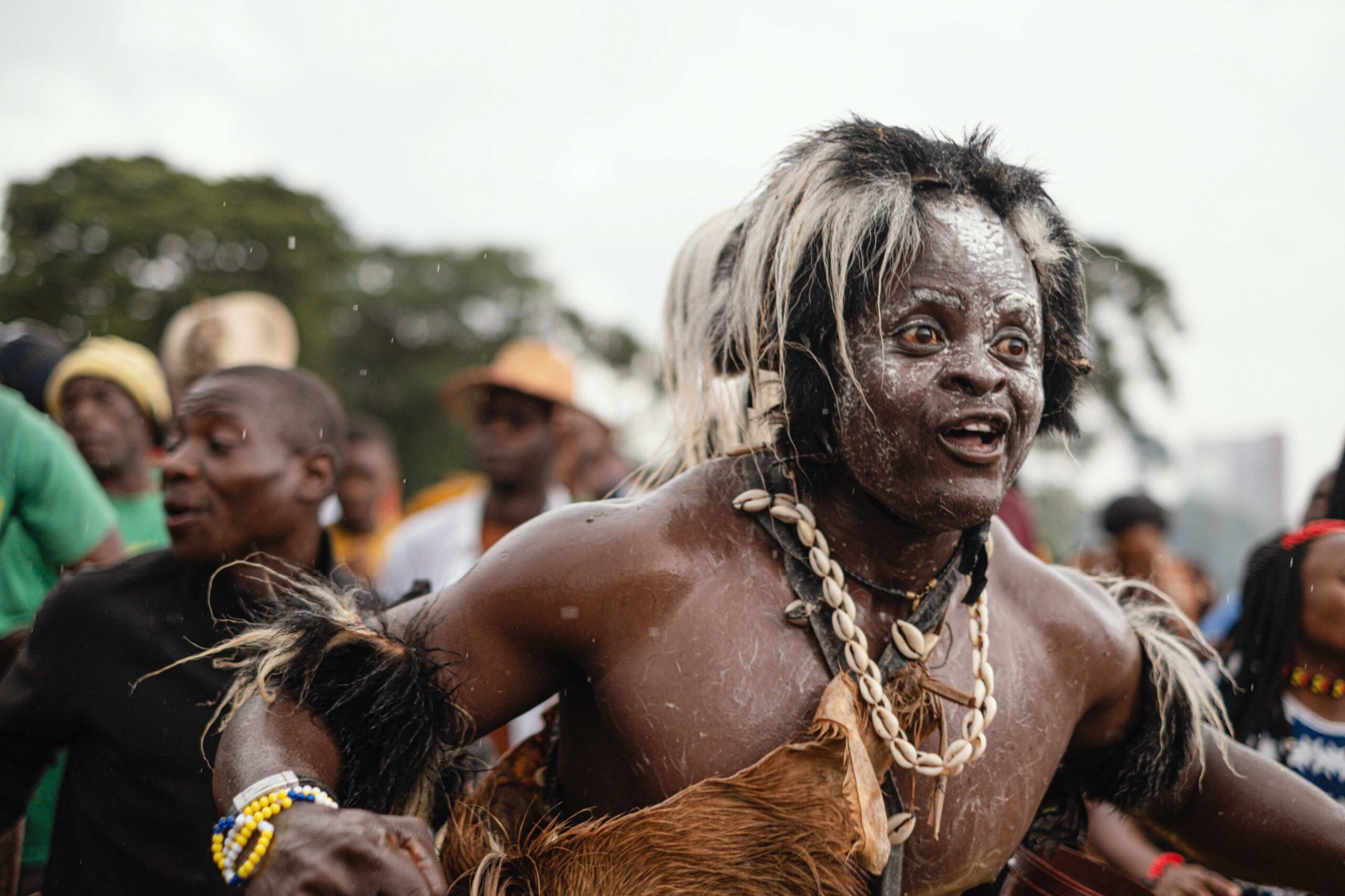
Imbalu ceremony: The Bagisu practice Imbalu as a traditional male circumcision ritual that marks the transition into adulthood. They celebrate this important rite of passage through traditional music, dancing and community gatherings.
Agriculture: Farmers cultivate Arabica coffee, bananas, maize and other crops on the fertile slopes of Mount Elgon.
Traditional food: Families prepare Malewa, a distinctive traditional dish made from smoked bamboo shoots.
Music and dance: Community members perform traditional dances during cultural ceremonies and celebrations.
Family and community life: Elders educate younger generations about cultural values, guide family decisions and resolve community disputes.
The Imbalu ceremony attracts cultural tourists who want to understand traditional initiation practices and community identity. However, visitors should respect participants’ privacy, cultural values and consent when attending or documenting these ceremonies.
The Sabiny Community
The Sabiny mainly inhabit the Sebei sub-region, particularly Kapchorwa, Kween and Bukwo districts around Mount Elgon.
They maintain traditional livelihoods through crop farming, livestock keeping and small-scale trade.
Cultural Identity and Traditions
Agriculture: Sabiny farmers cultivate maize, beans, Irish potatoes and coffee.
Livestock keeping: Families keep cattle, goats and sheep as important sources of wealth and livelihood.
Traditional ceremonies: Community members celebrate traditional events, observe marriage customs and maintain initiation traditions that strengthen their cultural identity.
Music and dance: Performers use traditional songs and dances to express their history, values and social relationships.
Indigenous knowledge: The Sabiny preserve valuable knowledge of mountain farming, weather patterns, medicinal plants and natural resource management.
Visitors can explore Sabiny cultural heritage through traditional food experiences, agricultural activities, music, dance and interactions with local communities.
The Pokot Community
The Pokot mainly inhabit Amudat District in Northeastern Uganda, close to the Kenyan border.
Although they associate strongly with the wider Karamoja region, they also contribute to the cultural heritage of Uganda’s pastoral borderlands.
The Pokot build much of their traditional economy around livestock keeping, particularly cattle, goats and sheep. Some households also practice crop farming.
Important Cultural Characteristics
Livestock ownership: Families keep livestock as an important measure of wealth and social status.
Traditional leadership: Elders guide community decisions and help resolve disputes.
Marriage traditions: Families conduct marriage negotiations through discussions and livestock-related arrangements.
Music and dance: Community members perform traditional songs and dances during social and cultural events.
Pastoral knowledge: The Pokot use traditional knowledge to manage seasonal grazing patterns and water resources.
The Pokot demonstrate how pastoral communities adapt their livelihoods to challenging environmental conditions while maintaining their cultural traditions.
The Iteso Community
The Iteso mainly inhabit the Teso sub-region, including Soroti, Kumi, Kaberamaido, Katakwi, Amuria and neighboring districts.
Although the Iteso predominantly practice agriculture, many households also keep livestock as part of their traditional livelihoods.
Cultural Practices and Livelihoods
Crop farming: Farmers cultivate millet, cassava, groundnuts, sorghum, maize and other crops.
Livestock keeping: Families rear cattle, goats and poultry to generate income and improve household food security.
Traditional dances: Community members perform cultural dances and songs during weddings, celebrations and community gatherings.
Traditional food: Families prepare millet-based foods, cassava and other dishes using locally grown agricultural products.
Traditional leadership: Elders and community leaders preserve customs, guide younger generations and settle disputes.
The Iteso demonstrate how agricultural and pastoral livelihoods can coexist within one cultural community.
The Importance of Indigenous and Pastoral Communities to Uganda’s Cultural Tourism
The indigenous and pastoral communities of Northeastern and Southeastern Uganda contribute significantly to the country’s tourism industry. Their cultural heritage offers visitors unique experiences beyond conventional wildlife safaris.
Some of the major cultural tourism opportunities include:
Cultural village visits: Tourists can visit traditional settlements, interact with local families and learn about community lifestyles, architecture and family structures.
Traditional music and dance: Local performers showcase indigenous songs, dances and storytelling traditions that communicate their history and cultural values.
Traditional food experiences: Visitors can enjoy local dishes that community members prepare using traditional methods and locally sourced ingredients.
Craft tourism: Local artisans produce beadwork, baskets, jewellery, traditional clothing and other handmade products that encourage cultural exchange and generate income.
Agricultural tourism: Visitors can explore coffee farms, participate in traditional crop cultivation and learn about livestock-related activities where communities welcome their participation.
Cultural ceremonies: Events such as the Bagisu Imbalu ceremony help visitors understand traditional rites of passage, provided they respect community consent and cultural protocols.
Indigenous knowledge tourism: Community members share traditional knowledge about medicinal plants, environmental conservation, food preservation and weather forecasting.
Community-based tourism: Local communities can establish cultural centers, operate home stays, organize guided village tours and develop craft markets to generate income.
Uganda’s cultural tourism industry complements its wildlife and nature-based tourism attractions by showcasing the country’s diverse traditions and ways of life.
Challenges Facing Indigenous and Pastoral Communities
Despite their rich cultural heritage, indigenous and pastoral communities face several challenges that threaten their traditional lifestyles and cultural identities.
Climate Change and Prolonged Drought
Northeastern Uganda experiences prolonged droughts that reduce pasture availability, limit water supplies and affect livestock production. These conditions place considerable pressure on pastoral households that depend on livestock for their livelihoods.
Loss of Traditional Grazing Land
Population growth, land-use changes and competing development activities reduce access to traditional grazing areas and livestock migration routes. These changes make it increasingly difficult for pastoral communities to maintain their traditional livestock management systems.
Cultural Erosion
Modernization, urbanization and changing lifestyles influence how younger generations practice traditional customs. As a result, some communities risk losing traditional languages, cultural practices and indigenous values.
Poverty and Limited Economic Opportunities
Some indigenous communities struggle to access markets, education, healthcare and employment opportunities. These challenges limit their ability to improve household incomes and maintain their traditional livelihoods.
Environmental Degradation
Overgrazing, deforestation and unsustainable resource use damage the natural environments on which indigenous and pastoral communities depend. These activities also reduce the availability of essential natural resources.
Cultural Exploitation
Uncontrolled tourism can commercialize traditional ceremonies, encourage disrespectful photography and misrepresent indigenous cultures. Such practices undermine community dignity and weaken local control over cultural heritage.
These challenges highlight the importance of involving indigenous communities in decisions concerning tourism, conservation and development.
Promoting Sustainable Cultural Tourism in These Communities
Sustainable cultural tourism can protect indigenous heritage while improving the economic and social well-being of local communities.
Stakeholders can promote responsible tourism development through the following approaches:
Community participation: Tourism developers should involve indigenous people in tourism planning, management and decision-making processes.
Cultural preservation: Communities and cultural institutions should document and protect traditional languages, dances, songs, ceremonies and indigenous knowledge.
Local employment: Tourism businesses should employ local guides, performers, craft producers and cultural interpreters.
Fair income distribution: Tourism operators should ensure that communities receive a fair share of the revenue generated from cultural tourism activities.
Environmental conservation: Tourism stakeholders should promote the responsible use of water, forests, grazing land and other natural resources.
Respect for cultural values: Tourists should seek permission before photographing community members, entering sacred places or attending traditional ceremonies.
Education and awareness: Tourism operators should educate visitors about community histories, cultural traditions and the challenges indigenous people face.
These approaches can transform cultural tourism into a tool for community empowerment rather than an activity that exploits traditional lifestyles.
Tourism Attractions Associated with These Communities
Several destinations in Northeastern and Southeastern Uganda allow visitors to combine cultural experiences with nature-based tourism.
Kidepo Valley National Park
Visitors can combine wildlife safaris in Kidepo Valley National Park with cultural experiences involving communities in the wider Karamoja region. These experiences provide insights into traditional pastoral lifestyles and local cultural heritage.
Mount Morungole
Mount Morungole provides opportunities to explore the cultural heritage of the Ik community. Visitors can learn about their distinctive indigenous identity, mountain settlement patterns and traditional ways of life through responsible community-led experiences.
Mount Elgon National Park
Mount Elgon National Park allows visitors to combine mountain hiking and nature exploration with cultural experiences among the Bagisu and Sabiny communities. These experiences introduce visitors to traditional agriculture, local food, cultural ceremonies and community lifestyles.
Pian Upe Wildlife Reserve
The Reserve offers opportunities to combine wildlife viewing with cultural experiences involving pastoral communities in the surrounding areas. Chimptrails Africa enables visitors to explore the relationship between traditional livestock keeping, local livelihoods and the natural environment.