
Uganda’s Sacred Shrines and Ancient Rock Art: A Cultural Heritage Journey
Uganda boasts breathtaking landscapes, diverse wildlife and vibrant cultures. However, beyond its famous national parks and wildlife safaris, the country preserves a fascinating human history through ancient rock paintings, sacred shrines and historical landmarks. Exploring these cultural treasures offers visitors a deeper understanding of Uganda’s heritage, spiritual traditions and historical identity.
Chimp Trails Africa takes you on a cultural journey through time, connecting the ancient rock art of Eastern Uganda with the moving history of the Uganda Martyrs and the country’s rich ethnographic collections at the Uganda Museum in Kampala.
This journey takes you from the remote granite outcrops of Kumi District to the sacred grounds of Namugongo and the historical galleries of Kampala, revealing the stories that have shaped Uganda’s cultural identity.
The Canvas of Antiquity: Nyero Rock Paintings in Kumi District
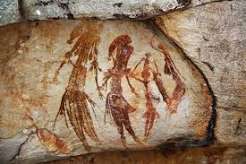
Our cultural journey begins in Eastern Uganda, where the magnificent granite outcrops of Kumi District shelter some of the country’s most remarkable prehistoric treasures. The Nyero Rock Paintings provide a fascinating glimpse into the artistic, cultural and spiritual lives of the region’s early inhabitants.
The site features several rock shelters decorated with ancient geometric paintings in red and white pigments. These remarkable artworks include concentric circles, elongated canoe-like shapes and abstract figures that reflect the artistic traditions of early communities.
Massive granite overhangs have protected many of these paintings from direct exposure to the elements for centuries. As you explore the rock shelters, you encounter fascinating examples of early human expression that offer clues about ancient beliefs, cultural practices and possible ritual activities.
Walking through these remarkable stone galleries allows you to appreciate the creativity of Uganda’s early inhabitants while discovering an important chapter in East Africa’s prehistoric heritage.
Flames of Faith: Exploring the Legacy of the Uganda Martyrs
From the ancient artistic traditions of Eastern Uganda, Chimp Trails Africa takes you to Namugongo, one of the country’s most important religious and historical destinations.
The Namugongo Martyrs Shrine, located approximately 15 kilometers northeast of Kampala, commemorates the Christian converts who died for their faith during the reign of Kabaka Mwanga II in the late 19th century.
In 1886, Kabaka Mwanga II ordered the execution of several Christian converts who refused to abandon their newly embraced faith. Twenty-five Catholic martyrs died at Namugongo, while other Anglican martyrs suffered execution at different locations.
Today, the shrine preserves the memory of these courageous individuals and welcomes millions of pilgrims and visitors who come to honor their sacrifice and explore Uganda’s religious history.
As you walk through the shrine grounds, you discover several historical features associated with the martyrdom:
The Prison: Explore the historical area where the condemned converts faced confinement before their execution.
The Sharpening Area: Discover the grounds associated with the preparation of execution tools.
Mukajanga’s Office: Learn about the historical role of Mukajanga, the chief executioner who supervised the executions.
The Ndaza Tree: Visit the site associated with the traditional execution grounds and the tragic events of 1886.
The Execution Hearth: Reflect on the location associated with the burning of the martyrs.
The Burial Grounds: Pay tribute to the martyrs whose sacrifice continues to inspire Christian communities across the world.
Every year on June 3, thousands of pilgrims travel to Namugongo to commemorate Uganda Martyrs Day. The celebrations attract visitors from different countries and transform the shrine into an important center of religious devotion, reflection and cultural exchange.
The Uganda Museum: Discovering East Africa’s Heritage in Kampala
After exploring the ancient rock paintings of Kumi and the spiritual history of Namugongo, our journey concludes in Kampala at the Uganda Museum, East Africa’s oldest museum.
Established in 1908, the museum preserves Uganda’s cultural, ethnographic, archaeological and natural heritage. It provides visitors with an opportunity to understand the country’s diverse communities, traditional practices and historical development.
As you explore its galleries, you encounter an extensive collection of traditional musical instruments, archaeological discoveries, cultural objects and exhibits documenting different aspects of Ugandan life.
The museum also provides valuable historical context for understanding archaeological destinations such as the Nyero Rock Paintings and other prehistoric sites across the region.
Visitors can explore displays featuring:
Traditional Musical Instruments: Discover Uganda’s diverse musical traditions through instruments used by different cultural communities.
Ethnographic Collections: Learn about traditional lifestyles, ceremonies, craftsmanship and cultural practices across Uganda.
Archaeological Exhibitions: Explore objects and discoveries that reveal aspects of the country’s ancient history.
Natural History Collections: Discover exhibits documenting Uganda’s natural environment and biodiversity.
Cultural Heritage Displays: Understand the traditions, beliefs and historical experiences that have shaped Uganda’s national identity.
A visit to the Uganda Museum connects the different chapters of this cultural journey, helping visitors appreciate how Uganda’s ancient communities, religious traditions and modern society contribute to its rich heritage.
Exploring Uganda’s Cultural Heritage Through Three Historic Landmarks
Uganda’s cultural history stretches across thousands of years, and these three destinations offer different perspectives on the country’s remarkable past.
1. Nyero Rock Paintings – Ancient Prehistoric Heritage
Located in Kumi District, the Nyero Rock Paintings showcase early human creativity through geometric designs, concentric circles and ancient artwork preserved on massive granite rock surfaces. They offer an opportunity to explore Uganda’s prehistoric artistic heritage.
2. Namugongo Martyrs Shrine – Religious and Spiritual Heritage
Namugongo preserves the memory of Christian converts who died for their faith in the 19th century. Its historical grounds, sacred landmarks and annual Martyrs Day celebrations make it one of Uganda’s most important religious destinations.
3. Uganda Museum – National Cultural and Historical Heritage
Situated in Kampala, the Uganda Museum brings Uganda’s diverse history together through archaeological collections, traditional musical instruments, ethnographic displays and natural history exhibitions.
Together, these destinations provide an enriching cultural experience that connects Uganda’s prehistoric past with its religious history and contemporary cultural identity.
Frequently Asked Questions About Uganda’s Cultural Heritage Sites
What is the historical significance of the Nyero Rock Paintings?
The Nyero Rock Paintings represent some of Uganda’s most important prehistoric artistic heritage. Located in Kumi District, these ancient artworks feature geometric designs, concentric circles and other figures painted on granite rock shelters. They provide valuable insights into the artistic traditions and possible spiritual practices of early communities in the region.
Where is the Namugongo Martyrs Shrine located?
The Namugongo Martyrs Shrine stands in Namugongo, approximately 15 kilometers northeast of Kampala’s central business district. The shrine commemorates Christian converts who died for their faith during the reign of Kabaka Mwanga II in the late 19th century.
What can visitors see at the Uganda Museum?
Visitors can explore traditional musical instruments, archaeological discoveries, ethnographic collections, natural history exhibits and displays documenting Uganda’s cultural traditions. The museum offers an excellent introduction to the country’s diverse historical and cultural heritage.
How old are the rock paintings at Nyero?
The Nyero Rock Paintings are generally associated with prehistoric hunter-gatherer communities and are commonly estimated to be several thousand years old. Their exact dates remain uncertain because archaeologists have not established precise dates for every painting.
When do people celebrate Uganda Martyrs Day?
Uganda commemorates Martyrs Day every year on June 3. Thousands of pilgrims gather at the Namugongo Martyrs Shrine to honor the Christian converts who died for their faith in the late 19th century.
Discover Uganda’s Cultural Heritage with Chimp Trails Africa
Uganda offers much more than wildlife encounters and breathtaking natural landscapes. Its ancient rock paintings, sacred shrines and historical museums reveal fascinating stories about the people, beliefs and traditions that have shaped the nation.
From the ancient artistic expressions preserved at the Nyero Rock Paintings to the inspiring history of the Uganda Martyrs at Namugongo and the extensive collections at the Uganda Museum, these destinations provide an unforgettable journey through Uganda’s cultural heritage.
Chimp Trails Africa invites you to explore these remarkable historical landmarks with knowledgeable local guides who bring their stories to life. Discover Uganda beyond the traditional safari and experience the country’s fascinating connection between ancient history, spirituality and cultural identity.