
Milk, Monarchs, and Mountains: Discover Western Uganda’s Cultural Heritage
Western Uganda brings together the dramatic landscapes of the East African Rift Valley and centuries of fascinating human history. With its towering mountain peaks, legendary royal dynasties, and rich pastoral heritage, the region offers one of Africa’s most captivating agro-tourism experiences.
From the breathtaking Rwenzori Mountains to the rolling hills of the cattle corridor, Western Uganda tells a remarkable story of how nature, culture, and tradition have shaped the lives of its people. The historic interlacustrine kingdoms of Ankole, Tooro, and Bunyoro-Kitara have preserved a way of life deeply connected to the land and their prized livestock.
Mountains and Monarchies
Western Uganda boasts spectacular geographical features. The Rwenzori Mountains, famously known as the Mountains of the Moon, dominate the region’s skyline. Their snow-capped, high-altitude peaks create a dramatic backdrop for the surrounding kingdoms and communities.
For generations, the Bakonjo people have lived on the mountain slopes, developing traditions and cultural beliefs that connect their lives to the mountains and their natural environment.
Beyond the mountains, Western Uganda nurtured powerful interlacustrine kingdoms that shaped the region’s political, cultural, and social history.
The Bunyoro-Kitara Kingdom
The Kingdom ranks among East Africa’s oldest and most expansive historical kingdoms. Its rich history traces its lineage through legendary dynasties, including the Batembuzi and the mystical Bacwezi, whom local traditions associate with remarkable cultural and architectural achievements.
The Tooro Kingdom
The Tooro Kingdom occupies the beautiful landscape around Fort Portal, an area famous for its numerous crater lakes and breathtaking scenery. In the 19th century, the kingdom emerged after breaking away from Bunyoro.
Today, the magnificent Tooro Palace, known as Karuzika Palace, serves as an important cultural landmark. Standing atop Kabarole Hill, the palace offers panoramic views of the kingdom and the majestic Rwenzori Mountains.
The Ankole Kingdom
The Ankole Kingdom, historically known as Nkore or Kaaro Karungi, meaning “The Good Land,” developed around a rich pastoral economy. Cattle shaped its social structures, cultural practices, and traditional leadership.
The Omugabe, meaning king, ruled the kingdom and historically exercised authority over the land, its people, and their valuable herds.
The Unique Ankole Cattle
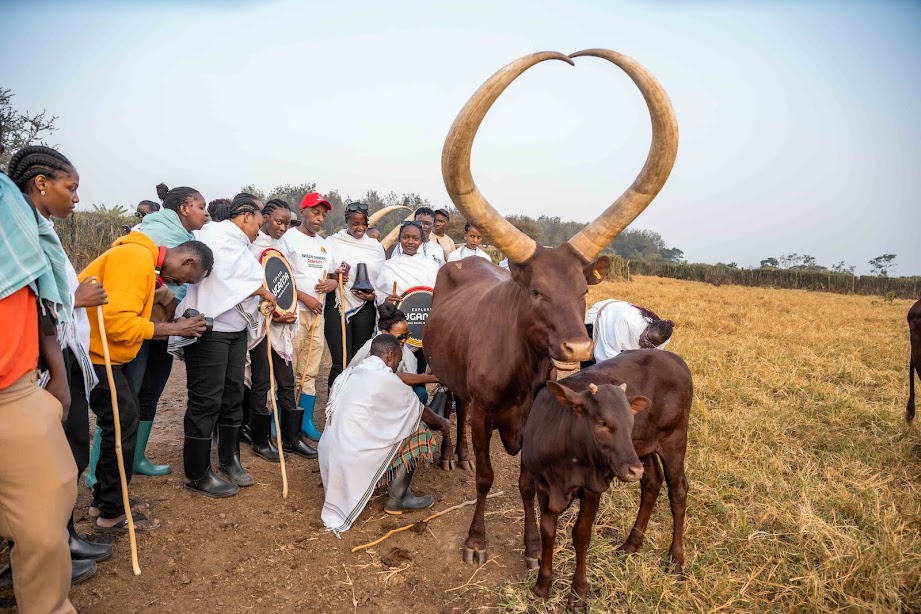
You cannot explore the history of the Ankole Kingdom without discovering the magnificent Ankole long-horned cattle. Often called the “Cattle of Kings,” these remarkable animals represent a living connection to thousands of years of East African pastoral traditions.
Ankole cattle belong to the Sanga group, which developed through the historical mixing of indigenous African long-horned cattle and Zebu cattle.
So, what makes Ankole cattle so special?
1. Their magnificent horns
The enormous, ivory-coloured, lyre-shaped horns make Ankole cattle instantly recognisable. Some animals develop horns that measure up to 2.4 metres (8 feet) from tip to tip.
These impressive horns serve more than an ornamental purpose. Their blood vessels help regulate body temperature, giving the animals an additional natural cooling mechanism that supports their adaptation to hot environments.
2. Their social and spiritual significance
For the pastoralist Bahima people, cattle represent much more than livestock. Traditionally, families measured wealth, social standing, and bride price, known as engyenda, through the size and quality of their herds.
Herders give individual cows names based on their coat patterns, horn shapes, and temperaments. They also develop close relationships with their animals, communicating through gentle whistles, songs, and familiar calls.
3. Their role in traditional diets
Cattle have historically provided the foundation of the traditional Bahima diet. Families relied heavily on milk and its products, including enjuba, while reserving meat consumption mainly for important cultural celebrations and special occasions.
4. Their surprisingly gentle temperament
Despite their enormous horns and imposing appearance, Ankole cattle often display calm, friendly, and playful temperaments. Their gentle nature makes encounters with these magnificent animals particularly memorable.
With Chimp Trails Africa, visitors can experience these remarkable cattle up close and discover the traditions that make them such an important part of Western Uganda’s heritage.
Experiencing Agro-Tourism and Living History in Western Uganda
Western Uganda offers travelersan opportunity to move beyond conventional wildlife safaris and explore the region through immersive, community-based agro-tourism experiences.
These experiences allow visitors to connect with local communities, discover traditional farming practices, and understand how generations of pastoralists have built their livelihoods around cattle.
The centeroccupies historically significant Ankole royal grounds and houses the Erijukiro Museum, where visitors can discover how communities across Western Uganda lived, traded, governed, and practicedtheir traditions from the per-colonial period to modern times.
Visitors can explore traditional homesteads, examine historical art facts, and learn about the region’s former kingdoms. The adjacent Igongo mixed farm also gives visitors an opportunity to encounter Ankole long-horned cattle and learn about traditional livestock keeping.
Experience traditional Ankole milking
Beyond museums and cultural exhibitions, visitors can arrange authentic Ankole milking experiences on community farms around Mbarara and Lake Mburo National park.
These experiences take travelers into the heart of traditional pastoral life. At dawn, visitors can walk across mist-covered grasslands and join local herders as they begin their daily cattle-keeping routines.
You can try traditional milking: Learn how local herders milk Ankole cattle into traditional wooden containers known as ebyanzi,
Discover traditional dairy processing: Participate in preparing fresh butter and learning the art of churning milk into ghee,
Listen to pastoral stories: Engage with local herders as they share generations of knowledge, cultural beliefs, and experiences surrounding Ankole cattle,
Understand cattle-keeping traditions: Discover how pastoral communities care for their animals and preserve their traditional livelihoods.
These hands-on encounters offer more than a tourism activity. They provide a meaningful opportunity to appreciate the knowledge, relationships, and cultural values that continue to shape pastoral communities in Western Uganda.
Preserving Western Uganda’s Pastoral Heritage for the Future
Western Uganda offers a remarkable combination of natural beauty, royal heritage, and traditional pastoral culture.
From the towering Rwenzori Mountains to the historic kingdoms of Ankole, Tooro, and Bunyoro-Kitara, the region tells a story of communities that have maintained a close relationship with their environment for generations.
By bringing together cultural heritage, Ankole cattle conservation, and community-based agro-tourism, Western Uganda creates opportunities for travelers to experience authentic local traditions while supporting the communities that preserve them.
Whether you explore the historic collections at Igongo Cultural Centre, participate in traditional Ankole milking, or encounter the magnificent long-horned cattle on community farms, Western Uganda invites you to experience a different side of Uganda.