
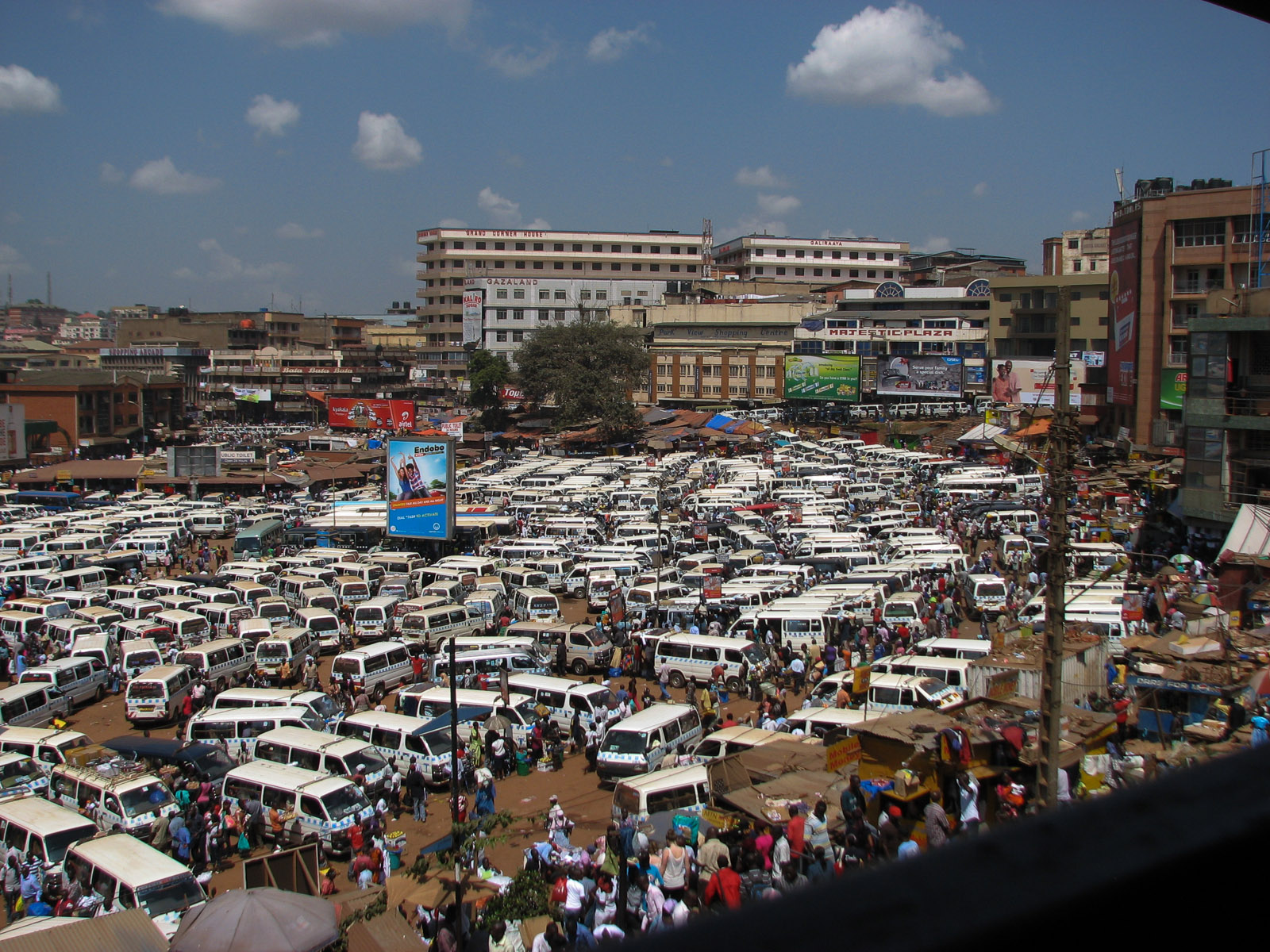
Kampala City: The City of Seven Hills and Its Attractions
The city is located in central Uganda and the country’s capital. It delivers its name from the Luganda phrase “Kasozi K’empala”, which means “Hill of the Impalas.” Kampala originally consisted of seven hills where Impalas roamed.
When Dr. Frederick Lugard arrived in Uganda in 1898, he camped on one of these hills and established a fort for the Imperial British East Africa Company.
Kampala continued to grow after the Kabaka of Buganda established his royal court in the city. The city attained municipal status in the 1950s, and in 1962.
Uganda declared Kampala a city, replacing Entebbe as the capital. However, in 1979, during the Uganda-Tanzania War, the conflict and the fall of Idi Amin’s dictatorship damaged several city structures.
originally, it comprised seven hills, namely Rubaga, Nakasero, Namirembe, Old Kampala, Mengo, Kibuli and Makerere however today it has expanded beyond these seven hills and covers more than 21 hills. Nevertheless, the original seven hills retain their historical significance because of their cultural, religious and colonial heritage.
Attractions in Kampala
The city offers numerous attractions that give visitors a memorable experience. These attractions include the seven historical hills, Kasubi Tombs, where Buganda kings rest, Kabaka’s man-made lake, Uganda Museum, National Theater, Uganda Parliament, Namirembe and Rubaga Cathedrals, and the Independence Monument.
Namirembe Hill
Namirembe Hill hosts St. Paul’s Cathedral Namirembe, the oldest Anglican cathedral in Uganda. The hill rises 334 metres above sea level and played an important role in establishing the first Anglican communion in Uganda.
The hill derives its name from the Luganda word Namirembe, which means “peace.” When you visit this hill, you can enjoy a spectacular view of Kampala city.
Rubaga Hill
Rubaga Hill rises 434 metres above sea level. This hill welcomed the first French White Fathers when they arrived during the reign of Kabaka Muteesa I.
After Kabaka Muteesa I died, his son Kabaka Mwanga took over the throne. At the time, the royal palace stood on Rubaga Hill. However, lightning struck the palace, prompting Kabaka Mwanga to relocate to Mengo Hill. He later handed Rubaga and Namirembe hills over to the church.
The name Rubaga comes from the Luganda dialect and means “plan.” Historically, Baganda warriors gathered on this hill to plan their wars.
Mengo Hill
Mengo Hill lies close to Namirembe Hill and hosts the Buganda Parliament and the Kabaka’s Palace. The area covers approximately four square kilometers.
Kabaka Mwanga established his palace on this hill after his father died in 1884. Kabaka Lake also lies close to Mengo Hill. Kabaka Mwanga originally constructed the lake to serve as an escape route.
Old Kampala Hill
Old Kampala Hill marks the historical starting point of Kampala city. The hill derives its name from the African antelopes known as Impalas, which roamed the area during the 19th century.
In the 1890s, Captain Frederick Lugard established a fort on this hill. The fort later suffered demolition during Idi Amin’s rule in the 1970s.
In 2007, construction workers completed a new mosque with support from Colonel Muammar Gaddafi. They named it Gaddafi National Mosque, which ranks among the largest mosques in Africa.
Makerere Hill
People refer to Makerere Hill as the Hill of Knowledge because it hosts Uganda’s first university, Makerere University. The institution started as a college in 1922.
Makerere Hill lies approximately three kilometers from Kampala city center along Bombo Road.
According to local history, people originally called this area Bwaise. However, the name changed to Makerere after a story involving a Kabaka who forgot to return to his palace because he spent time with a woman in the area. When he realizedthat dawn had arrived, he reportedly exclaimed, “Gano Makerere,” meaning that dawn had broken without him noticing. The name Makerere has remained ever since.
Nakasero Hill
Nakasero Hill occupies a central and elevated position in Kampala. During the colonial period, colonial administrators and other officials settled in Upper Nakasero.
Today, the hill hosts Uganda’s State House, several embassies and some of the country’s most prestigious hotels. These include Sheraton Kampala Hotel, Kampala Serena Hotel, Grand Imperial Hotel, Fairway Hotel, Hilton, Pearl of Africa Hotel and Speke Hotel.
Kibuli Hill
Kibuli Hill hosts the famous Kibuli Mosque, one of Kampala’s notable religious landmarks. The mosque attracts visitors who want to explore the city’s Islamic heritage and enjoy the hill’s cultural significance.
Visitors can also explore other hills around Kampala, including Naguru, Mutundwe, Mutungo, Bbunga, Muyenga and Buziga. As the city continues to expand, more hills have become part of the greater Kampala metropolitan area.
Uganda Museum
The Uganda Museum is the oldest museum in East Africa. Established in 1908 by the British Protectorate government, it preserves and displays Uganda’s cultural heritage. Initially, the institution operated from a small Sikh temple at Fort Lugard on Old Kampala Hill.
Kabaka Lake
Kabaka Lake is the largest man-made lake in Uganda. Kabaka Mwanga ordered its construction to demonstrate the importance of such a project to his subjects.
The lake remains an important historical and recreational attraction in Kampala, attracting visitors who want to explore its surroundings and learn about Buganda’s history.
Kasubi Tombs
Kasubi Tombs serve as the burial grounds for deceased Kabakas of Buganda and other members of the royal family. This culturally significant site preserves the kingdom’s history and traditions. In addition, its traditional Baganda architecture offers visitors an opportunity to explore Buganda’s royal heritage.
These revisions eliminate repetitive sentence openings, improve readability and maintain the original information and meaning.
Rich Culture in Kampala
The capital city lies in the central region of Uganda, where the Baganda form the dominant ethnic community. The Baganda preserve a fascinating cultural heritage through their traditional food, dances, songs, handicrafts, stories, customs and Luganda language.
Visitors can experience this rich culture through local dishes, traditional performances, cultural sites and interactions with the local community.
The Ugandan Parliament
The Ugandan Parliament offers another important historical attraction because of the political changes and developments it has experienced over the years.
At its establishment in 1962, people called it the National Assembly. Sir John Bowes Griffin, a British lawyer and former Chief Justice, presided over the assembly. At that time, the Ugandan Parliament had 92 members.
Nightlife in Kampala
Kampala has earned a reputation as a city that never sleeps. Bars, restaurants and nightclubs attract residents and visitors throughout the night, with many entertainment venues remaining open until daybreak.
Visitors from other countries often find Kampala’s nightlife unique and exciting because of its lively atmosphere, music, entertainment and diverse social experiences.
Activities to Do While in Kampala
Kampala offers a wide range of activities that allow visitors to explore its history, culture, architecture and attractions. Some of the activities you should include in your itinerary are:
1. Visit the Kasubi Tombs
Kasubi Tombs provide a resting place for former Buganda kings and other members of the royal family.
When you visit the tombs, you can explore traditional Baganda architecture, particularly the impressive thatched structures. Kabaka Muteesa I originally built the main structure in 1882 as his palace. After his death in 1884, people converted the palace into a royal burial site.
The tombs offer visitors an opportunity to learn about Buganda’s monarchy, traditions and cultural heritage.
2. Visit the Uganda Museum
The Uganda Museum opened in 1908, making it the oldest museum in East Africa.
When you visit the museum, you can explore Uganda’s cultural heritage through historical exhibits, traditional art facts and displays that showcase the lifestyles of different communities.
The museum also offers educational experiences and outreach programmes that help visitors understand Uganda’s history, including the history and traditions of Buganda.
3. Take a Tour of Namugongo Martyrs Shrine
Namugongo Martyrs Shrine commemorates the 32 young men who suffered execution after refusing to renounce Christianity. Their execution was ordered by Kabaka Mwanga of Buganda.
The shrine stands in Namugongo, Kira Municipality, Wakiso District, along the Kampala-Jinja Road
4. Walk Through Makerere University
Makerere University is Uganda’s oldest university. It began operating in 1922 as a technical school before developing into a teacher-training institution and later a degree-awarding university.
Over the years, the institution has educated numerous prominent leaders and professionals from Uganda, East Africa and other parts of the world.
When exploring Makerere University, visitors can discover its historical buildings, learn about its contribution to education in East Africa and enjoy beautiful views of Kampala city.
These changes introduce variety into the sentence openings and eliminate repetitive consecutive sentence structures.