
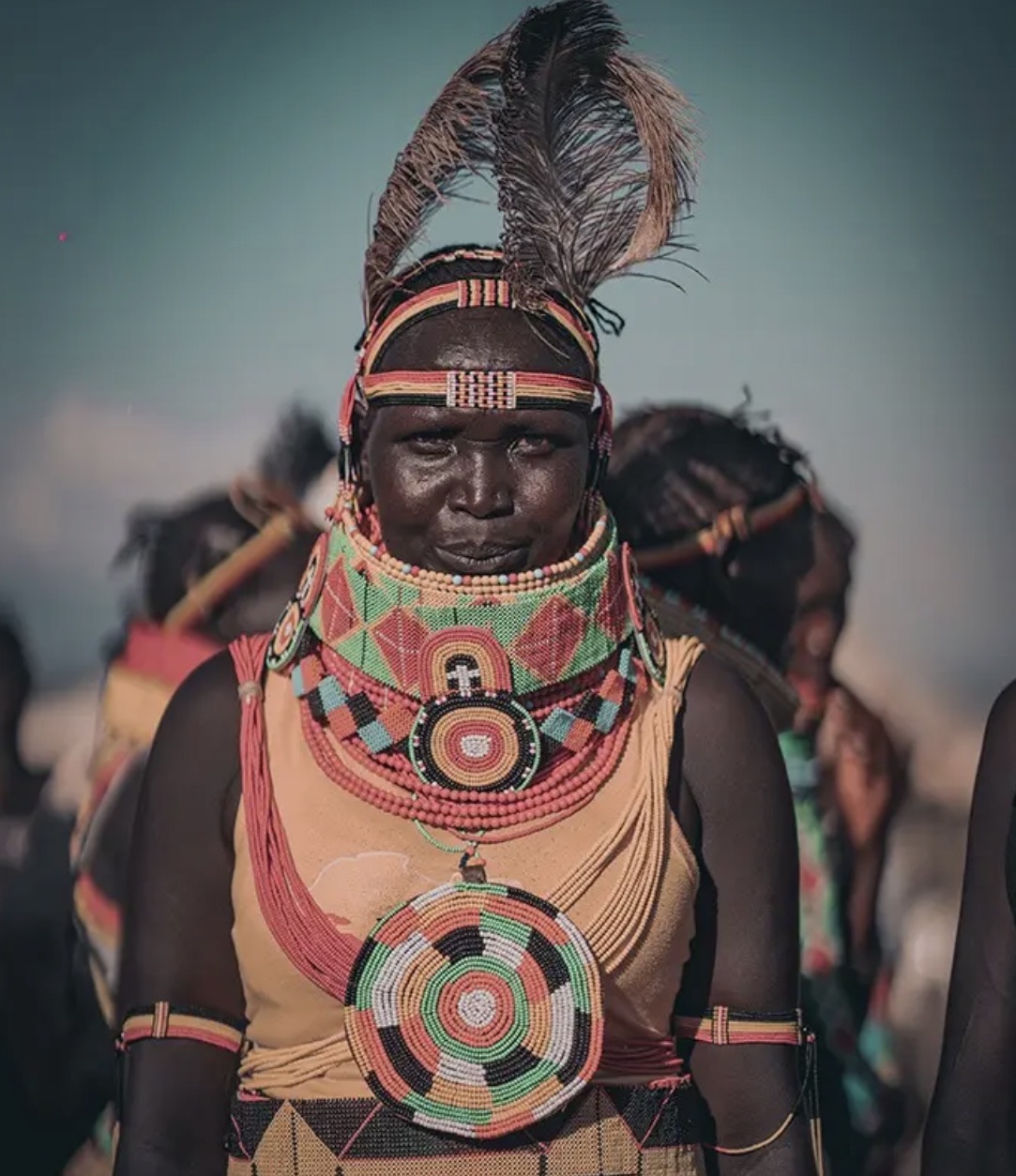
Karamojong are More than herds
A Nilotic ethnic group of nomadic pastoralists living in the semi-arid Karamoja region of northeastern Uganda. These are famous because of their deep cultural reliance on cattle and traditional homesteads known as manyattas.
Karamojong” is derived from a phrase roughly translating to “the old men can walk no farther,” reflecting a moment during the ancestral migration when a portion of the group decided to settle permanently in the Karamoja plains rather than traveling further west.
Cultural and lifestyle
Cattle are the absolute center of Karamojong society, symbolizing wealth, status, and social connection. Historically, livestock rearing has dictated their semi-nomadic, transhumant way of life as they move across districts like Moroto, Kotido, and Kaabong in search of seasonal water and grazing pastures. Key elements of their culture include;
Homestead (manyattas)
Karamojong live in grass-thatched houses fenced with hard-throned trees and made in a circular form called akai to protect them from wild animals
Karamojong Zebu cattle are one of Uganda’s major indigenous cattle types, alongside the Ankole (Sanga) cattle of southwestern Uganda. They have hardy and drought-resistant cows well adapted to the hot semi-arid climate of Karimojong and can survive sparse grazing and limited water. They have multiple uses, for example, providing milk, meat, and hides. Cattle represent wealth, social status, and family security. They are used for bride price, compensation between families, ceremonies, and inheritance.
Karamojong cattle
The Karamojong have many traditional livestock rituals that reflect the deep importance of cattle in their social, cultural, and spiritual life. These rituals often involve blessings, thanksgiving, or seeking protection for people and animals.
Some of the best-known traditional livestock rituals include:
Blessing of cattle: Elders pray over cattle, asking God (Akuj) for health, fertility, abundant milk, rain, and protection from disease and raids. They may sprinkle milk or water and speak blessings over the herd.
Sacrificial ceremonies: During important events such as prolonged drought, disease outbreaks, or community celebrations, a bull, cow, sheep, or goat may be sacrificed. The sacrifice is offered as an expression of thanksgiving or a request for divine favor.
Naming ceremonies: Valuable oxen and bulls are often given names based on their color, horn shape, behavior, or significant events. Some men become closely identified with a favorite ox, which may feature in songs and praise poetry.
Bride wealth rituals: Cattle play a central role in marriage. The transfer of cattle from the groom’s family to the bride’s family is accompanied by blessings and ceremonies that unite the two families.