
What You Didn’t Know About Bwindi Impenetrable National Park
Bwindi Impenetrable National Park lies in southwestern Uganda, mainly in the present-day Kanungu, Kisoro, and Rubanda districts. The park covers approximately 32,000 hectares of land and protects one of Africa’s oldest tropical rainforests. Its remarkable biodiversity includes more than 163 tree species, numerous fern species, and a wide variety of wildlife.
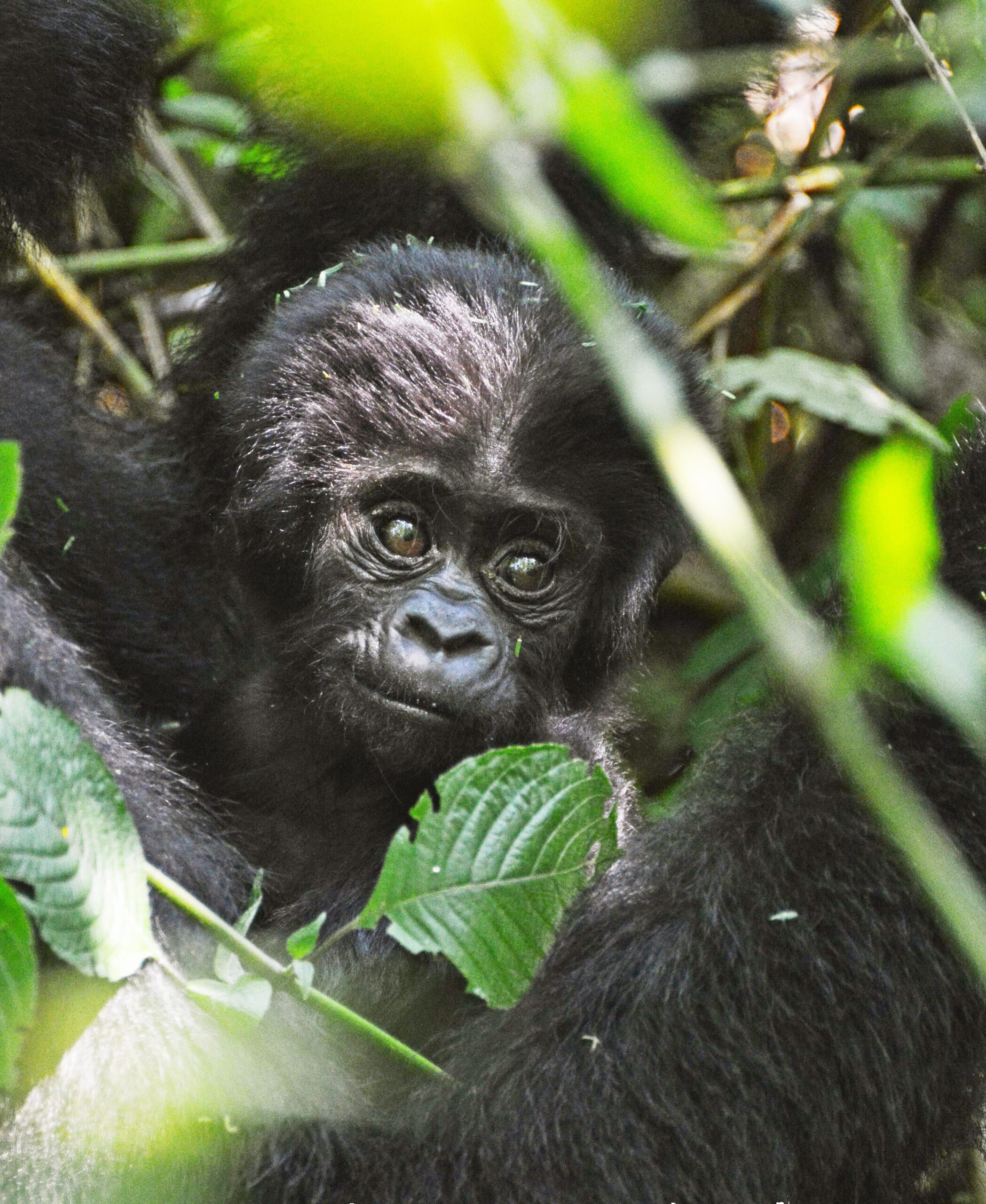
Bwindi stands out as one of the world’s most important mountain gorilla habitats. Uganda protects the largest share of the world’s remaining mountain gorilla population, and Bwindi ranks among the only two national parks worldwide that shelter these endangered primates.
UNESCO recognizes Bwindi Impenetrable National Park as a World Heritage Site because of its exceptional biodiversity and ecological importance. This recognition highlights the need to protect its unique ecosystem and conserve its remarkable wildlife for future generations.
History of Bwindi Impenetrable National Park
The British colonial government established Bwindi as a forest reserve in 1942 after recognizing the need to protect its rich vegetation and diverse wildlife. The reserve initially focused on conserving the forest’s unique plant and animal species.
In 1964, the authorities upgraded Bwindi to an animal sanctuary to strengthen mountain gorilla protection following growing conservation concerns and research into the species.
In 1992, the Ugandan government officially declared Bwindi a national park. This decision strengthened conservation efforts and established a foundation for sustainable tourism and mountain gorilla protection.
In 1994, UNESCO recognized Bwindi as a World Heritage Site, further highlighting its global conservation significance.
What Makes Bwindi Impenetrable National Park Unique?
Bwindi Impenetrable National Park stands out among Uganda’s national parks because of its extraordinary mountain gorilla population, ancient rainforest, and exceptional biodiversity.
The park attracts thousands of visitors every year who travel to experience mountain gorilla trekking and observe these gentle giants in their natural habitat. Meeting mountain gorillas in the wild offers travelers an unforgettable wildlife experience.
Bwindi also protects one of Africa’s oldest tropical rainforests. Its ancient trees, rich vegetation, and diverse wildlife create a remarkable ecosystem that supports numerous plant and animal species.
The park’s biodiversity makes it an excellent destination for nature lovers, birdwatchers, researchers, and adventure travelers.
Activities to Enjoy in Bwindi Impenetrable National Park
Bwindi offers several exciting tourism activities that allow visitors to explore its rainforest, encounter wildlife, and experience local cultures.
1. Gorilla Trekking
Gorilla trekking ranks as the park’s most popular tourist activity and attracts the majority of its international visitors.
During this adventure, visitors hike through the dense rainforest with experienced guides and trackers to locate habituated mountain gorilla families. Once they find the gorillas, visitors spend a strictly regulated period observing their behavior, feeding habits, and family interactions.
The experience gives travelers a rare opportunity to encounter endangered mountain gorillas in their natural environment.
2. Gorilla Habituation Experience
The gorilla habituation experience offers visitors an opportunity to spend more time with mountain gorillas than standard gorilla trekking allows.
Participants accompany researchers, conservationists, and experienced trackers as they gradually familiarize wild gorillas with human presence.
This experience provides deeper insight into gorilla behavior, conservation research, and the efforts that protect these endangered primates.
3. Batwa Cultural Experiences
The Batwa community adds another fascinating dimension to a visit to Bwindi.
The Batwa people have a long historical connection with the forest, where their ancestors traditionally lived as hunter-gatherers. Today, community-led cultural experiences allow visitors to learn about their history, traditions, music, dances, and traditional forest knowledge.
Local guides share stories about the Batwa’s former forest lifestyle and explain how their communities relate to the surrounding environment.
These experiences also create opportunities for visitors to support local livelihoods and community-based tourism.
4. Community Walks
Community walks allow visitors to explore villages surrounding Bwindi and interact with the people who live near the forest.
Visitors walk along local trails, discover traditional lifestyles, visit community projects, and learn about local farming practices and cultural traditions.
These walks complement gorilla trekking by giving travelers a broader understanding of the communities that contribute to the park’s conservation and tourism activities.
Main Attractions in Bwindi Impenetrable National Park
Mountain Gorillas
Mountain gorillas remain Bwindi’s biggest attraction. The park protects a significant proportion of the world’s remaining mountain gorillas and provides visitors with opportunities to observe habituated gorilla families.
Bwindi has four main gorilla trekking sectors thats buhoma, Ruhija, Rushaga and Nkuringo. Each sector offers visitors a different experience depending on the gorilla family they visit, the terrain, and the surrounding scenery.
Other Primates
Bwindi also supports several other primate species that contribute to its remarkable biodiversity. Visitors may encounter Black-and-white colobus monkeys, L’Hoest’s monkeys, Red-tailed monkeys, Vervet monkeys and Chimpanzees, although sightings are not a regular tourist attraction among others
Birdlife
Birdwatchers can explore Bwindi’s exceptional bird diversity. The forest shelters numerous Albertine Rift endemic bird species, making it one of Uganda’s most rewarding birdwatching destinations.
Some notable species include the African green broadbill, Grauer’s rush warbler, and Shelley’s crimsonwing.