
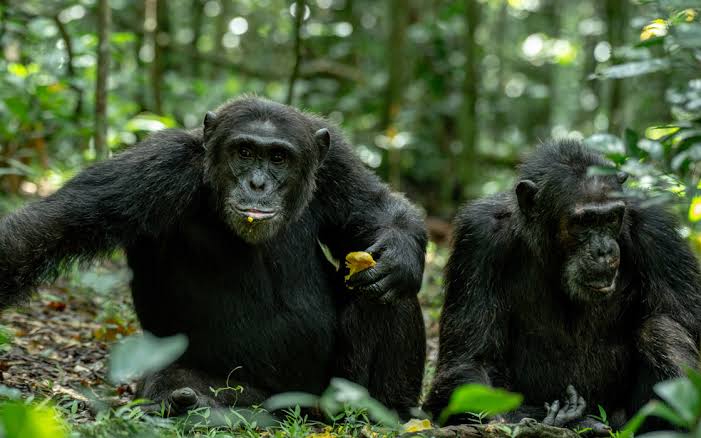
Chimpanzee Trekking in Kibale Forest National Park, Uganda
Kibale Forest National Park ranks among the best destinations in East Africa for tourists who want to encounter chimpanzees in their natural habitat. Uganda offers five popular destinations for chimpanzee trekking: Kibale Forest National Park, Budongo Forest, Kyambura Gorge, Kalinzu Forest, and Toro-Semliki Wildlife Reserve.
Kibale Forest National Park protects one of the largest populations of wild chimpanzees in East Africa, making it a leading destination for chimpanzee trekking worldwide.
The park supports more than 1,500 chimpanzees and offers visitors opportunities to track several habituated chimpanzee communities. Kibale National Park organizes chimpanzee trekking in two daily sessions: morning and afternoon. Before entering the forest, visitors gather at the Kanyanchu Tourist Centre for a briefing.
During the briefing, park officials assign visitors to a chimpanzee community and a professional park guide. The guides divide visitors into small groups and lead them into the forest to search for the primates. The morning trek generally begins around 8:00 a.m., although visitors should confirm the current schedule with park authorities. The search may take several hours, depending on the chimpanzees’ location. Once visitors locate a chimpanzee community, they spend one hour observing the animals in their natural habitat.
Visitors can also book a three-day chimpanzee trekking safari in Kibale Forest National Park and combine the experience with other wildlife and cultural activities in Uganda.
Chimpanzee Trekking in the Forest
As visitors explore Kibale Forest, they often hear chimpanzees before they see them. The primates produce loud screams, pant-hoots, and barks that help ranger guides locate their communities in the dense vegetation.
During a standard chimpanzee trek, visitors spend one hour observing the chimpanzees after locating them. Kibale offers morning and afternoon trekking sessions, allowing visitors to choose a suitable time based on their travel plans and permit availability.
The park also offers chimpanzee habituation experiences. Unlike standard trekking, which allows visitors one hour with the chimpanzees, habituation experiences let participants spend an extended period observing the primates alongside researchers and habituation teams. Visitors learn about chimpanzee behaviour, communication, feeding habits, and social interactions while researchers gradually help the animals become accustomed to human presence.
Kibale Forest National Park supports several chimpanzee communities. Researchers study some groups in areas such as Kanyawara and Sebitoli, while park authorities manage habituated communities for tourism. The size and accessibility of each community vary, so visitors should consult park officials for the latest information.
Chimpanzee Trekking Rules and Guidelines
Every visitor must follow the park’s conservation guidelines to protect chimpanzees and maintain a safe trekking experience.
Chimpanzees share approximately 98% of their DNA with humans, making them vulnerable to many human infectious diseases. Visitors who have flu symptoms or other potentially contagious illnesses should inform park authorities and follow their health guidance before joining a trek.
Park authorities also impose age restrictions and limits on group sizes. Visitors should confirm the current minimum age and maximum group size when booking their permits, as these requirements may change. Guides explain the applicable rules during the briefing and ensure that visitors follow them throughout the trek.
Chimpanzee trekking in Kibale Forest National Park offers an unforgettable wildlife experience. Visitors can observe the primates as they feed, groom one another, care for their young, communicate, and move through the forest canopy.
The adventure usually begins at the Kanyanchu Visitor Centre, where park officials brief visitors on trekking procedures and conservation rules. After the briefing, a ranger guide leads each group into the forest to search for a habituated chimpanzee community.
The search can take several hours because chimpanzees move freely through the dense forest. Visitors may need to walk over uneven terrain and follow their guide along forest trails. However, the excitement of finding a chimpanzee community makes the journey worthwhile.
Once visitors encounter the chimpanzees, they spend the permitted hour observing their behaviour. They may watch young chimpanzees playing in the trees, mothers caring for their infants, and adults feeding on fruits, leaves, and buds.
The entire trek can take several hours, depending on the location of the chimpanzees and the conditions in the forest. Park authorities restrict visitor numbers in each group to minimize disturbance and protect the animals. Visitors should book their permits in advance to secure their preferred trekking dates.
Why Choose Kibale Forest for Chimpanzee Trekking?
Kibale Forest National Park offers one of Uganda’s most rewarding primate experiences. The forest shelters chimpanzees alongside other mammals, numerous bird species, and diverse vegetation, making it an excellent destination for nature lovers and wildlife photographers.
Visitors can join a morning trek to observe chimpanzees as they begin their daily activities. Alternatively, they can participate in an approved habituation experience to learn more about chimpanzee behaviour and social life.
Spending an hour with these intelligent primates allows visitors to witness their fascinating daily routines. They may observe mothers caring for their young, juveniles playing together, and adult chimpanzees feeding or communicating with other members of their community.
Travellers who love primates can also combine chimpanzee trekking in Kibale with mountain gorilla trekking in Uganda’s Bwindi Impenetrable National Park or Mgahinga Gorilla National Park. This combination creates a memorable safari that showcases Uganda’s remarkable primate diversity.
Book your chimpanzee trekking safari in advance to arrange permits, transport, accommodation, and other activities for a smooth and enjoyable journey.
Rules to Follow During Chimpanzee Trekking
Visitors must follow these guidelines whenever they enter the forest to observe chimpanzees:
Follow your guide: Always remain with your authorized park ranger or guide and follow their instructions throughout the trek.
Avoid smoking: Do not smoke in the presence of chimpanzees or during the trekking activity.
Respect the chimpanzees: Follow your guide’s instructions and avoid actions that could disturb or provoke the animals.
Do not eat or drink near chimpanzees: Keep food and drinks away from the animals to reduce the risk of unwanted interactions.
Avoid camera flash: Turn off your camera’s flash before photographing chimpanzees to prevent unnecessary disturbance.
Respect the viewing time: Spend only the period authorized by park officials with the chimpanzees, which is generally one hour during a standard trek.
Maintain a safe distance: Follow the minimum viewing distance specified by park authorities and your guide. Do not approach or attempt to touch the chimpanzees.
Protect chimpanzees from disease: If you feel sick or experience symptoms of a contagious illness, inform park authorities before joining the trek.
Observe age restrictions: Confirm the current minimum age requirement when booking your permit, as park regulations determine who may participate.
Respect group-size limits: Join only the number of visitors permitted in your assigned group and follow the park’s current trekking regulations.
By following these guidelines, visitors help protect chimpanzees, support conservation efforts, and enjoy a safe and responsible wildlife experience in Kibale Forest National Park.
Chimpanzee trekking in Kibale offers an exceptional opportunity to discover Uganda’s rich biodiversity and observe some of Africa’s most intelligent primates in the wild. Plan your safari early, secure your permit, and prepare for an unforgettable adventure in one of Uganda’s most remarkable forests.