
Why Uganda Is Africa’s Safest Destination
Uganda’s reputation as one of Africa’s safest and most welcoming safari destinations through three key factors working together has been earned over and again for so long.
First, the nation has deliberately rebuilt itself from decades of conflict into a more stable, well-governed state. Second, its tourism sector treats visitor protection as a core priority rather than an afterthought. Third, the government has maintained relative peace across nearly the entire country for years, creating a more secure environment for travelers.
Trial to Triumph
How Overcoming Historical Challenges Built a More Secure Nation
Uganda’s safety today reflects how far the country has come. The 1970s and 1980s brought widespread turmoil, and northern Uganda endured a long, difficult insurgency that shaped the country’s international image for years. However, Uganda has made significant progress since those turbulent decades.
Since the early 2000s, security forces and local communities have helped improve security in northern Uganda, while most of the country has enjoyed a prolonged period of relative peace. What makes Uganda’s story compelling is not that the country escaped hardship, but that it used the lessons of those difficult years to rebuild its future. The government and development partners rebuilt roads, strengthened institutions, and deliberately expanded the tourism industry to restore visitor confidence across different regions.
These efforts have helped transform places like Kidepo Valley in the far north. Once many travelers considered the area remote and difficult to access, today visitors recognize it as one of East Africa’s outstanding wildlife-viewing destinations, where they can enjoy remarkable game viewing with relatively few crowds. Uganda did more than recover from its past; it used that experience to develop a more deliberate, security-conscious approach to tourism.
Proactive Protection
The Health and Safety Measures That Protect Modern Travelers
Uganda’s strength as a safari destination does not come from eliminating every risk. Instead, the country’s tourism industry works to manage risks through structured safety measures and professional oversight.
Gorilla trekking, Uganda’s flagship safari experience, demonstrates this approach. Park authorities regulate trekking activities, assign trained guides and armed park rangers to accompany groups, and enforce safety protocols that govern group sizes and minimum distances from wildlife. Tourism operators and park authorities apply similar safety principles throughout much of the country’s safari circuit.
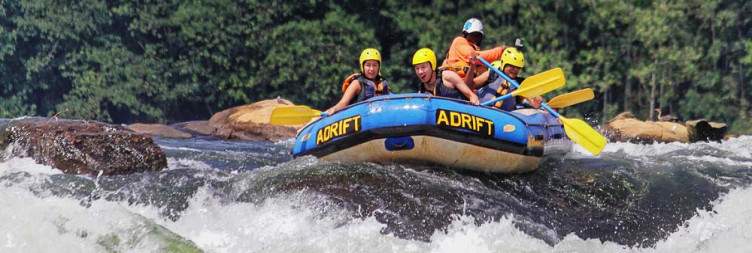
Professional park managers oversee national parks, while experienced guides help travelers navigate wildlife areas safely. Travelers who follow official instructions and choose organized tours can reduce many common risks. Adventure tourism operators follow similar practices in Jinja, the source of the Nile, where companies offer white-water rafting, kayaking, and bungee jumping under established safety procedures. Although accidents can occur, responsible operators emphasize equipment checks, trained supervision, and safety briefings to reduce preventable incidents.
Beyond individual activities, Uganda’s tourism economy gives businesses a strong financial incentive to protect visitors. Tourism contributes to livelihoods and economic growth, so lodges, tour operators, and park authorities have good reason to prioritize guest safety and well-being.
Unshakable Peace
Why Global Adventurers Consider Uganda a Welcoming Destination
Travelers who have visited Uganda often describe a country that feels calmer and more welcoming than its reputation might suggest. Their firsthand experiences frequently challenge outdated perceptions shaped by the country’s turbulent past.
Visitors can still encounter risks, including petty theft in crowded areas, road accidents, and health-related concerns. However, travelers can manage many of these risks by remaining alert, following local guidance, and taking standard precautions. Solo travelers, families, and first-time visitors to Africa can improve their experience by planning carefully, choosing reputable operators, and understanding local conditions before they travel.
Uganda’s tourism sector has also attracted growing international interest as the country continues to promote its wildlife, adventure activities, and cultural attractions. Visitor numbers have rebounded in recent years, reflecting renewed interest in the destination. However, travelers should consult current tourism statistics rather than assume that visitor arrivals have reached a particular annual figure.
Uganda’s appeal comes from the combination of firsthand traveler experiences, established tourism infrastructure, and opportunities to explore diverse landscapes and wildlife. For visitors who plan carefully and follow reliable travel advice, the country offers many rewarding experiences without requiring them to compromise their peace of mind.
The Government’s Role in Building Lasting Peace
Uganda’s relative stability did not emerge by accident. Over the years, the government has invested in national security and peace-building as foundations for economic growth. Leaders have recognized that the tourism industry needs a secure environment to attract international visitors and support safari tourism.
The government has supported these efforts through investment in policing, infrastructure, and security coordination across major tourist routes. Security forces and park authorities also coordinate efforts to protect wildlife areas, particularly those near international borders. Meanwhile, sustained periods of relative stability have allowed communities and businesses to pursue development and expand tourism activities.
Nevertheless, Uganda still faces challenges. Political tensions can rise around election periods, and travelers should exercise additional caution in certain border regions near the Democratic Republic of the Congo and South Sudan. Visitors should check current travel advisories and follow guidance from local authorities before traveling to these areas.
It is also important to define what safety means when choosing a travel destination. No country can eliminate every risk, and Uganda makes no exception. Travelers can generally manage many risks by booking organized safaris, hiring licensed operators, staying at reputable lodges, and visiting well-managed national parks.
Those who travel far beyond established tourism routes or ignore basic urban precautions in cities such as Kampala may expose themselves to additional risks. Travelers everywhere face similar considerations, which is why Uganda’s tourism businesses encourage visitors to plan responsibly and follow established safety procedures.
By combining careful planning with reliable local guidance, travelers can make informed decisions and enjoy more of what Uganda offers. The contrast between outdated perceptions and the experiences many visitors report helps explain why the country continues to attract travelers seeking wildlife, adventure, and cultural discovery.
Conclusion: Uganda’s Journey from Trial to Triumph
Uganda’s transformation from a country once associated with conflict into a destination that welcomes safari travelers reflects years of national rebuilding, improvements in security, and investment in tourism. The tourism industry continues to support this progress by prioritizing visitor protection, working with trained professionals, and encouraging responsible travel.
Although Uganda still faces security and political challenges, travelers who research their destinations, follow current travel advice, and choose reputable tourism operators can make better-informed decisions about their trips.
For anyone deciding where to experience Africa’s wildlife and adventure, Uganda offers a compelling combination of mountain gorillas, expansive savannahs, rich cultural traditions, and thrilling activities along the Nile. Its journey from trial to triumph demonstrates how a country can learn from its past, strengthen its institutions, and build a tourism industry that welcomes visitors while taking their safety seriously.